Vintage jigsaw puzzles
309 puzzles
🆕 Latest vintage puzzles
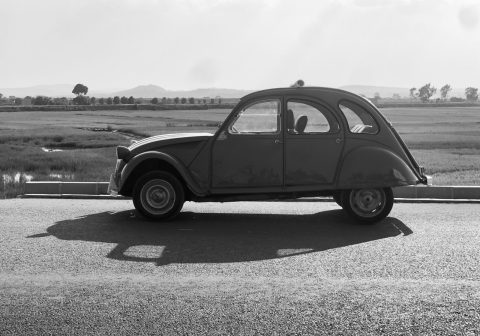 Vintage Citroën 2CV by the Rice Fields
1 play
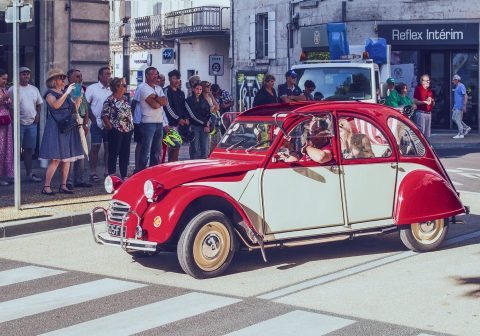 Red Citroen 2CV Vintage Car Parade
1 play
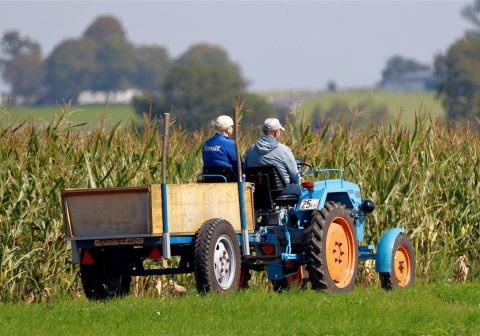 Blue Vintage Tractor in Cornfield
1 play
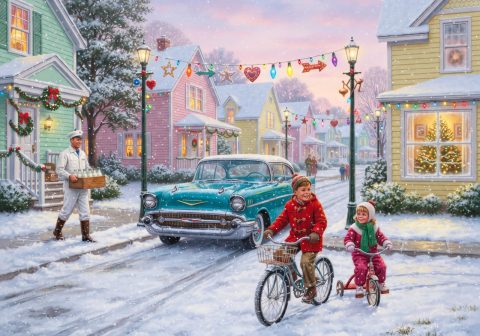 Snowy Christmas Street Vintage Jigsaw
38 plays
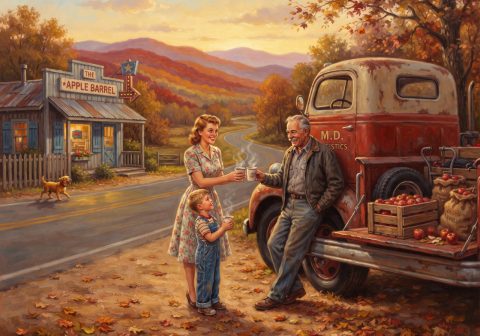 Autumn Apple Barrel Roadside Scene
34 plays
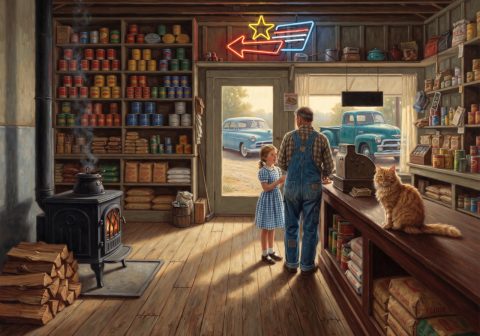 Vintage Country General Store
58 plays
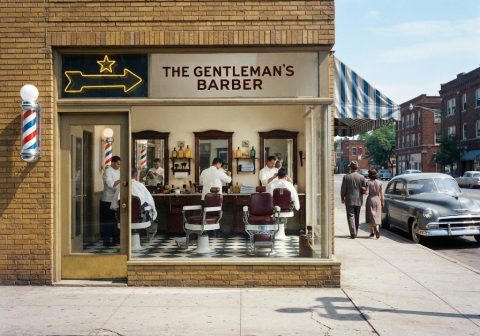 Vintage Barber Shop Street Scene
57 plays
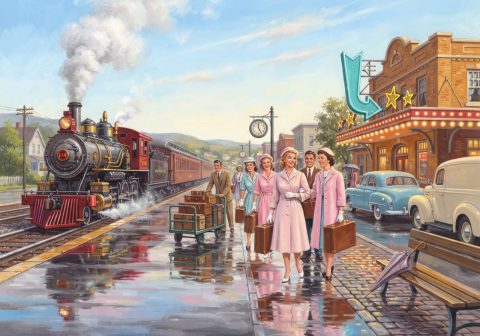 Vintage Train Station After the Rain
65 plays
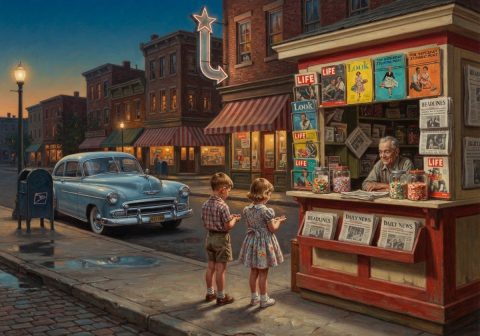 Vintage Newsstand at Dusk
57 plays
🔥 Most played
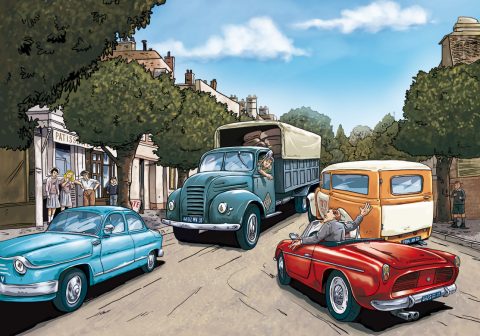 1
Vintage Drawing
291 plays
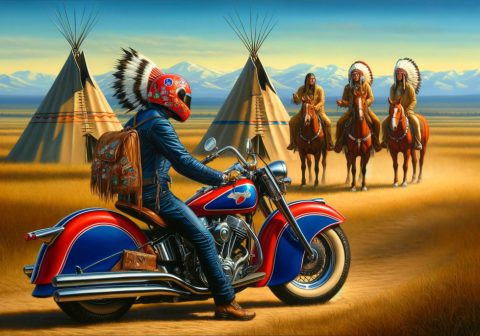 2
The Cultural Contrast of a Modern Biker and Native Americans
237 plays
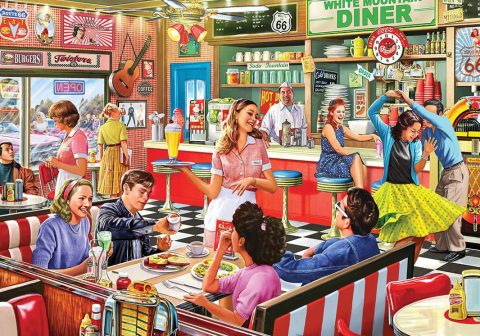 3
Vintage Drawing
202 plays
 4
Dazzling View of the Italian Coast and Vintage Car
200 plays
 5
Vintage American Diner
199 plays
 6
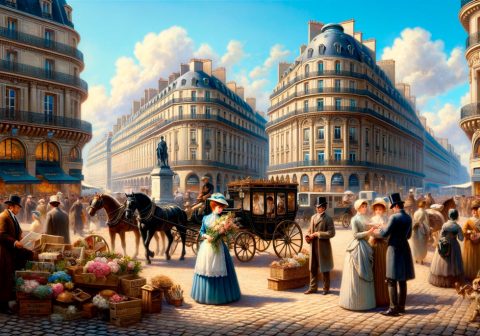
Dive into History with Our Parisian 19th Century Scene
198 plays
 7
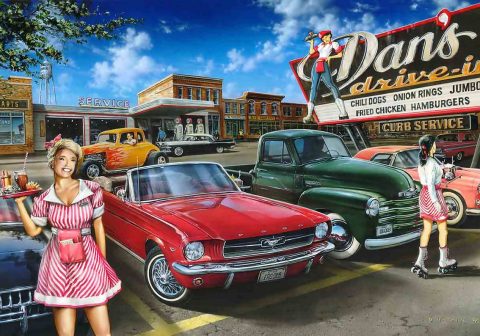
1950s drive-in with carhop and red convertible
197 plays
 8
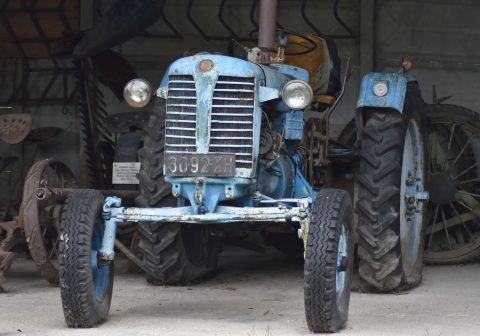
Old Blue Tractor in the Barn
197 plays
 9
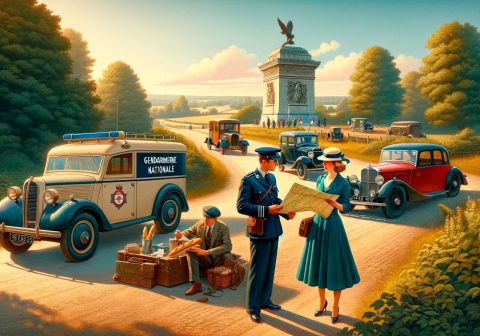
Country Road Scene with Vintage Vehicles and Characters
196 plays
All vintage puzzles
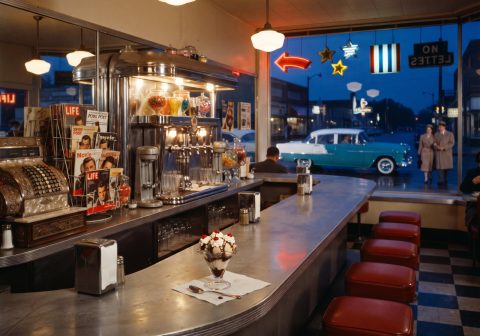 1950s Diner Counter at Dusk
63 plays
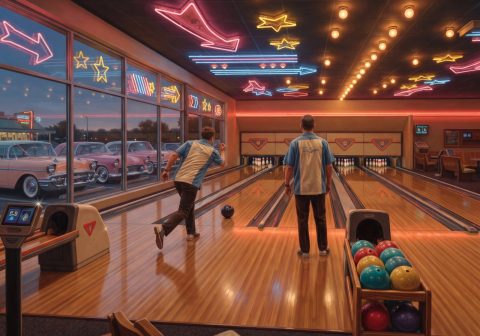 Retro Bowling Alley Night Jigsaw
60 plays
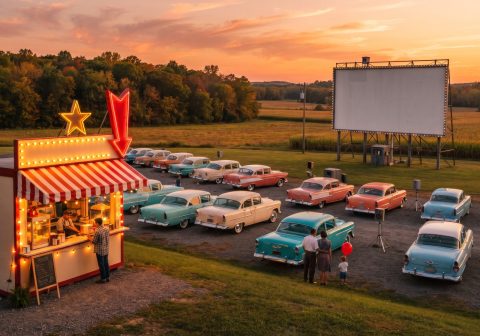 Vintage Drive-In Movie at Sunset
60 plays
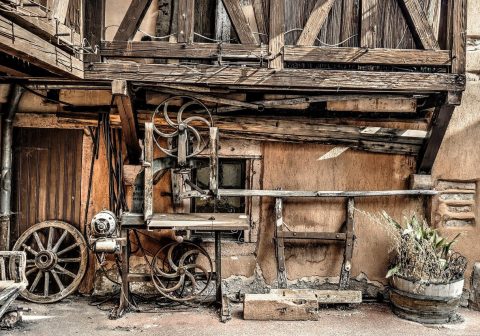 Old Woodworking Shop Machine
65 plays
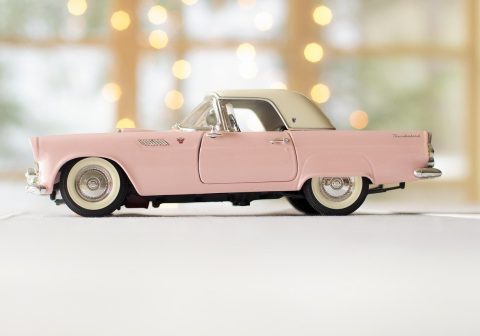 Pink Retro Little Car
81 plays
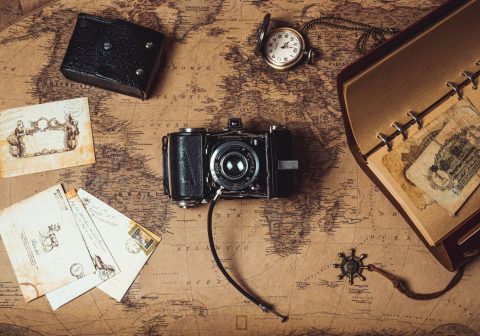 Vintage Journey on an Old Map
98 plays
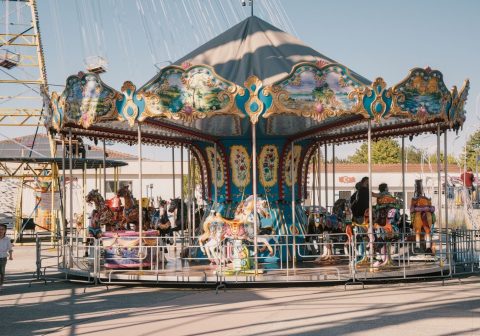 Retro Carousel and Colorful Horses in the Sun
108 plays
 Rope and Anchor on Old Map
112 plays
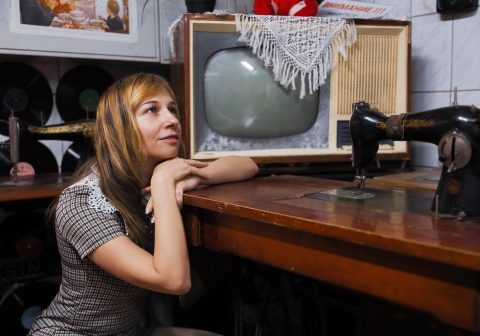 Retro Daydream Between TV and Sewing Machine
123 plays
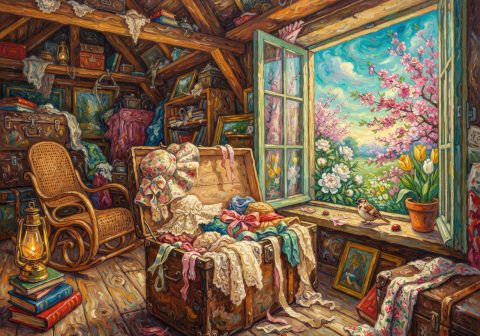 Attic Trunk Full of Vintage Linens by the Spring Window
145 plays
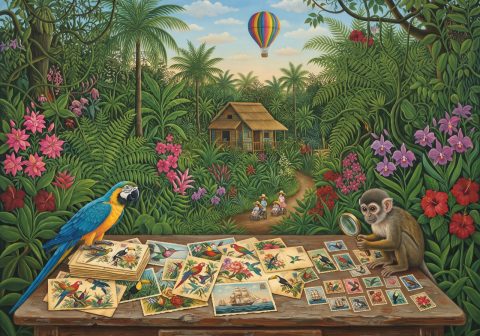 Jungle Stamp Collection Parrot and Monkey
148 plays
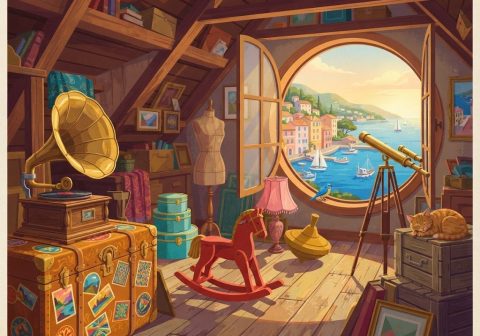 Attic Treasures by the Sea
153 plays
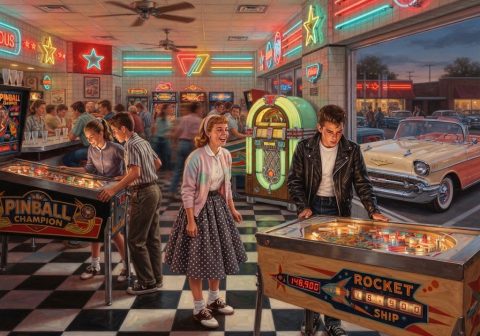 1950s Diner Pinball Arcade
159 plays
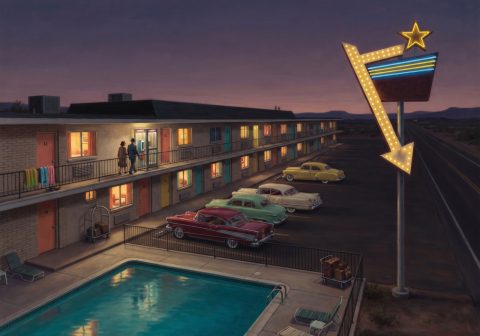 Retro Motel at Dusk Neon Sign
190 plays
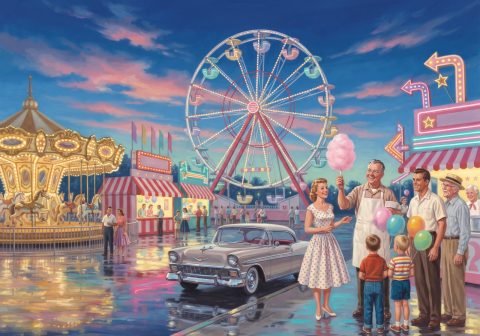 Vintage Fairground at Dusk
170 plays
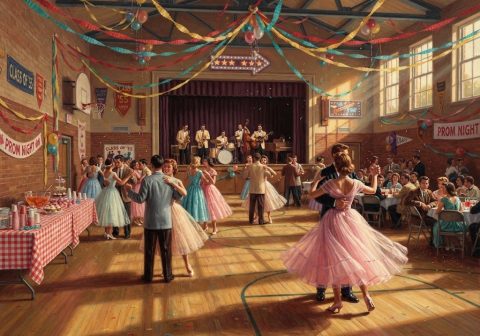 Vintage High School Prom Night
152 plays
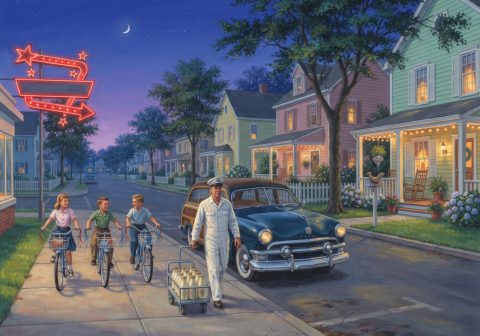 Vintage Street at Dusk with Milkman
190 plays
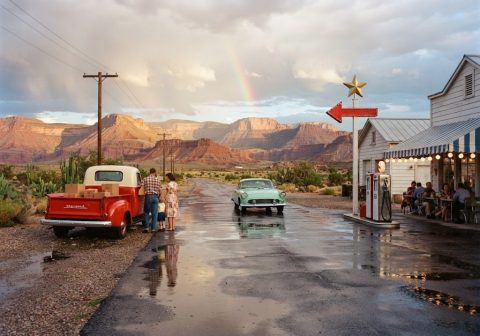 Route 66 Diner in the Desert
162 plays
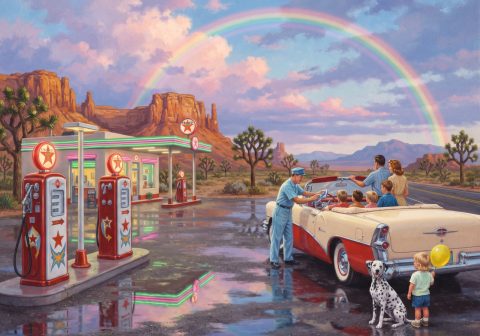 Vintage Gas Station After the Rain
185 plays
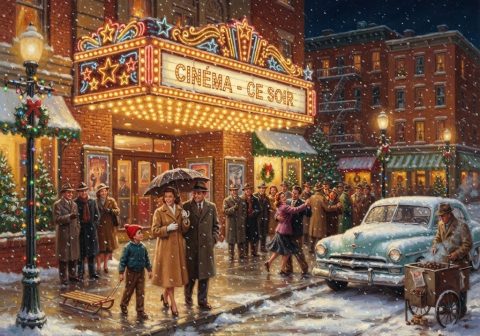 Vintage Movie Night in the Snow
183 plays
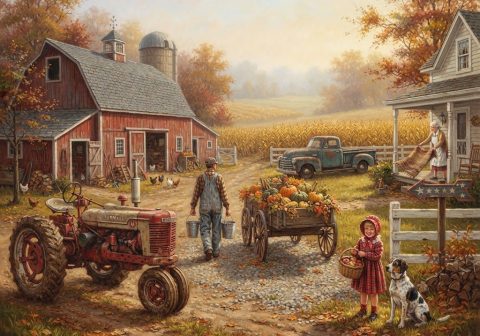 Autumn Farm Morning
166 plays
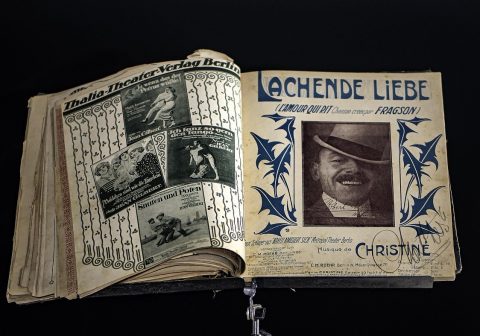 Old Berlin Music-Hall Sheet Music
167 plays
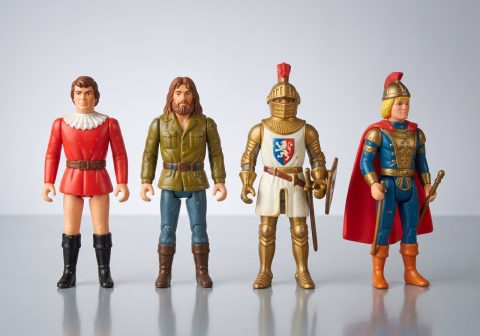 Playmobil Figures
138 plays
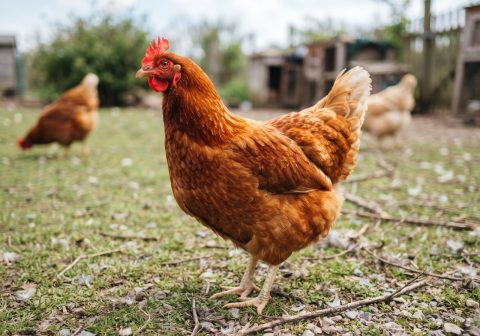 Red Hen in a Grassy Pen
155 plays
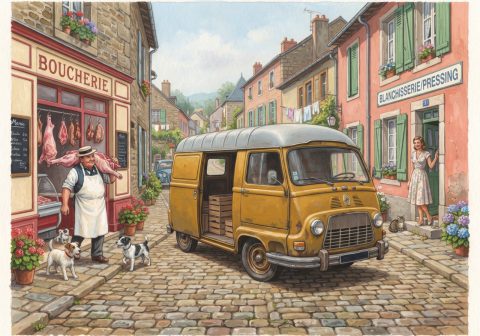 Yellow Van in Front of the Butcher's Shop
167 plays
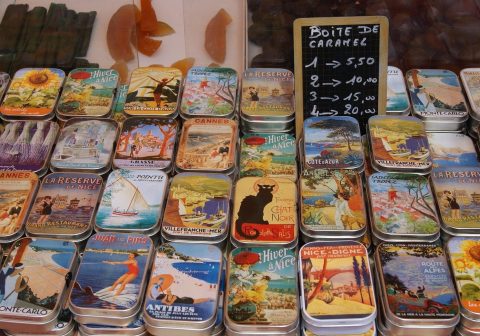 Vintage Souvenir Tins of the Côte d'Azur
154 plays
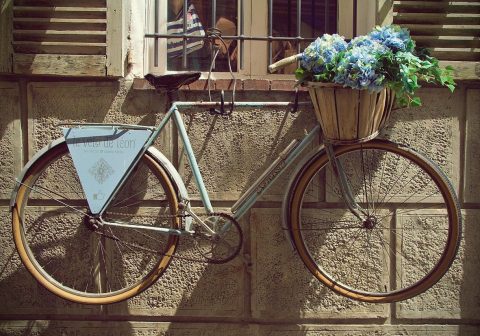 Vintage Bike in Flowers in the Sun
166 plays
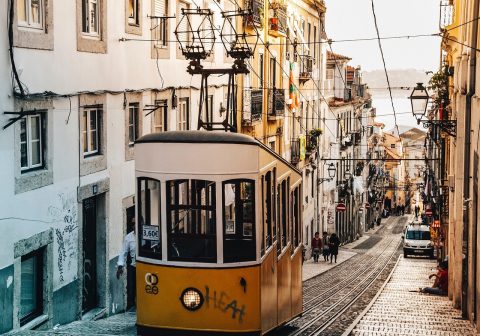 Yellow Tram in the Streets of Lisbon
182 plays
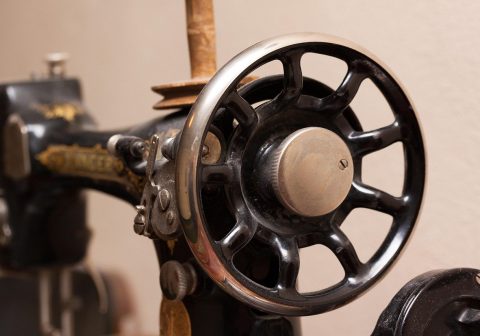 Antique Gold Sewing Machine
156 plays
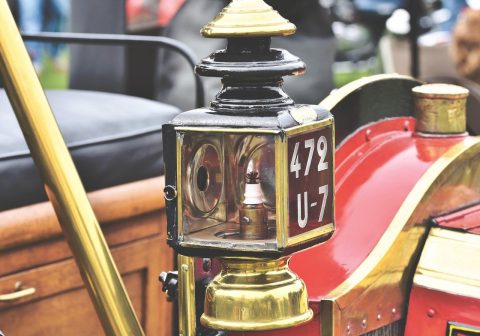 Golden Lantern on a Vintage Car
163 plays
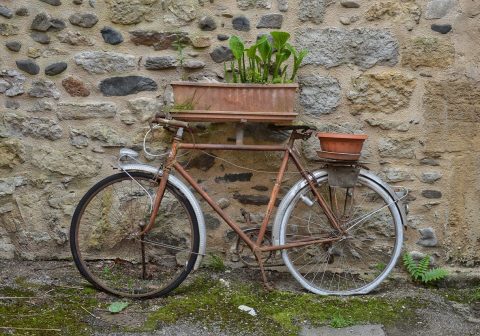 Old Flowered Bike Against a Wall
159 plays
 Golden Compass on Old Map
152 plays
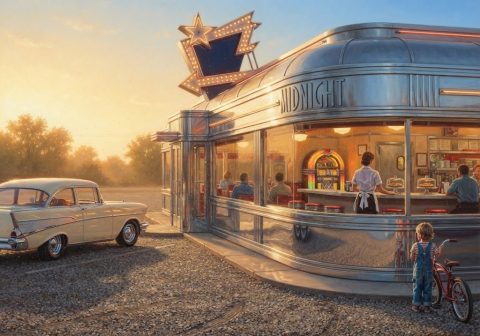 Vintage Diner at Sunset
164 plays
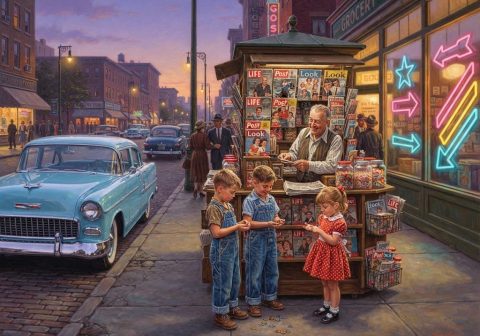 Vintage Newsstand Corner at Dusk
147 plays
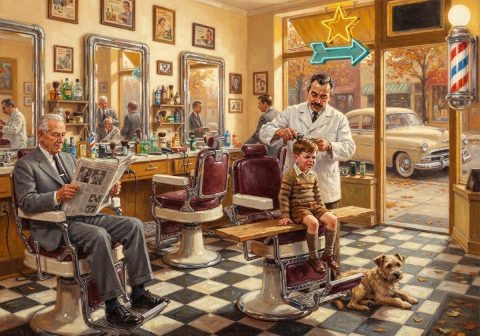 Old-Fashioned Barbershop Haircut
171 plays
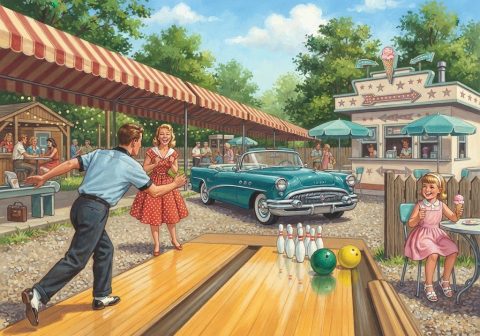 Retro Bowling Alley Summer Day
157 plays
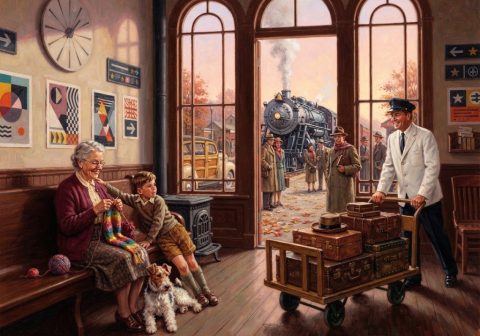 Vintage Train Station Morning
153 plays
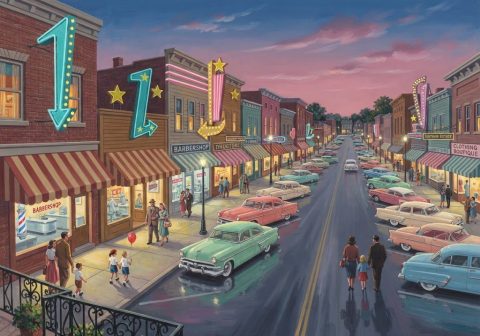 Main Street at Dusk Jigsaw
189 plays
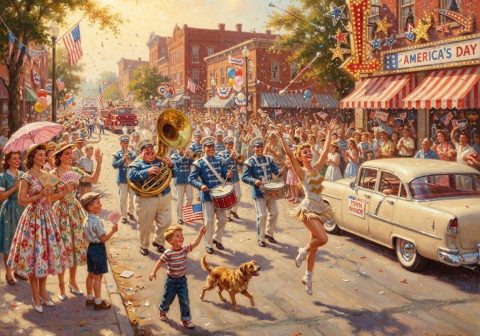 Fourth of July Parade Jigsaw
163 plays
Vintage jigsaw puzzles: a trip back in time
Classic cars and yellow streetcars, neon motels, pinball machines, small-town train stations, attics full of forgotten treasures, sewing machines and old tin signs: these pictures have all the charm of days gone by. Some are busy illustrations packed with little characters, others show real objects with their rust and patina.
Illustrated scenes are a treat to assemble, because every corner tells its own little story: a passerby, a shop sign, a bike leaning against a wall. There’s so much detail that even a high piece count stays manageable. Try one at 300 pieces and take your time spotting everything going on.
Enjoying the stories hidden in vintage scenes
Vintage pictures invite you to slow down and explore. Each scene carries its own small story, whether it is a shopkeeper at the door, a child on a bicycle or a forgotten object resting on a shelf. Many players enjoy imagining who might have lived or worked in these places, which turns the puzzle into a kind of quiet exploration. Choose a picture that appeals to your sense of curiosity, and let the details lead you through its world. The nostalgic atmosphere of these scenes is often as much a part of the fun as the act of assembling them.
Using recurring details to organize the pieces
Vintage scenes are full of recognizable elements that help you organize the pieces. Signs, lettering, wall textures and the outlines of old vehicles often provide strong anchor points. Worn surfaces such as rust or faded paint have their own patterns, which can be sorted by tone and texture. Begin with the most distinctive objects, then fill in the surrounding backgrounds, which often have larger areas of similar color. Keeping track of these recurring details gives the picture a clear structure as it grows.
Frequently asked questions
Are vintage puzzles good for detailed play?
Yes, vintage scenes are often rich in detail, which makes them a satisfying choice for players who enjoy careful work. Their many small objects and textures reward close attention, and the variety keeps the process interesting from start to finish.
How do I start a vintage scene puzzle?
Begin with the distinctive objects, such as signs, vehicles or clearly shaped items, since these are easiest to identify. Once these are in place, move to the backgrounds and textures. Leaving the plain areas for last often helps the picture come together smoothly.
Do vintage puzzles suit a group of players?
They are a pleasant choice for groups. Different people can focus on different objects or corners of the scene, and talking about the details together adds to the enjoyment. Sharing the stories hidden in the picture can make the experience sociable and fun.