Painting jigsaw puzzles
46 puzzles
🆕 Latest painting puzzles
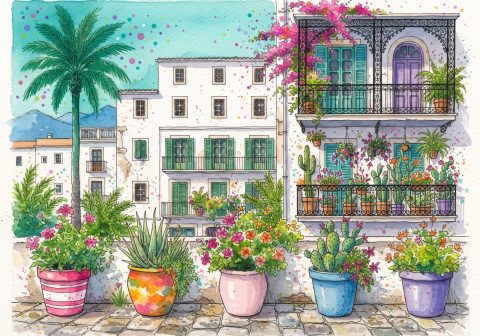 Flowery Balconies Watercolor Town
137 plays
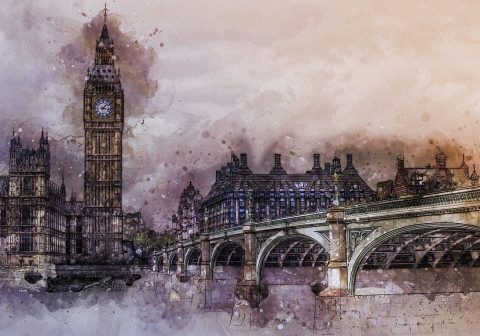 Big Ben Watercolour on the Thames
121 plays
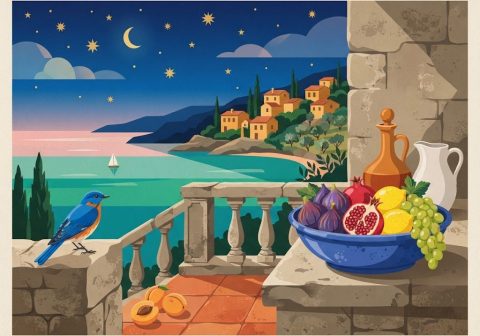 Mediterranean Terrace Under the Stars
160 plays
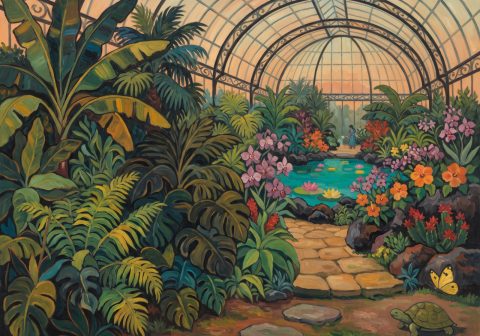 Tropical Greenhouse with Orchids and Turtle
159 plays
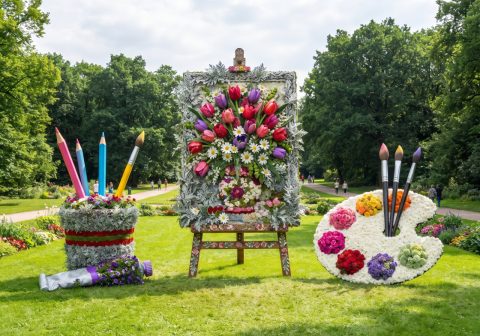 Flowered Easel of Tulips in a Park
131 plays
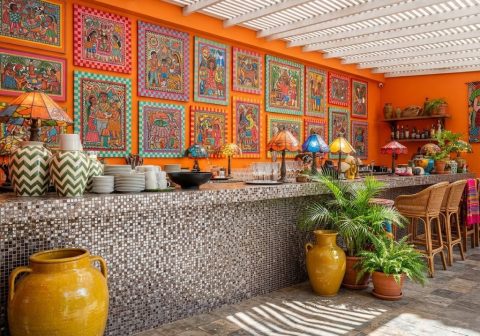 Terrace Bar with Colourful Paintings and Mosaic
148 plays
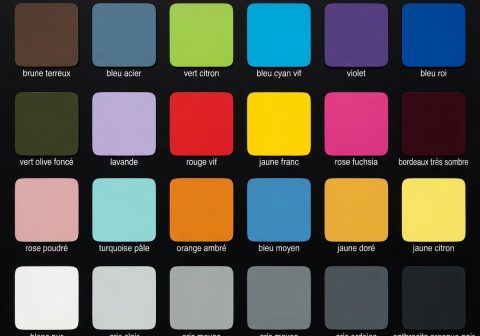 Vivid and Pastel Colour Swatches
154 plays
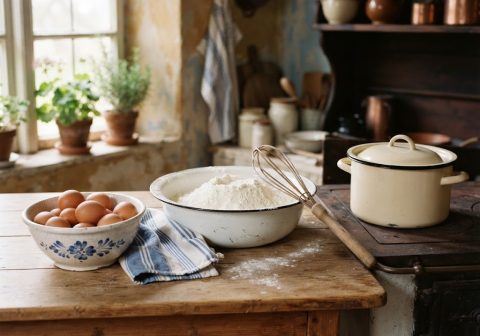 Eggs and Flour on a Rustic Table
183 plays
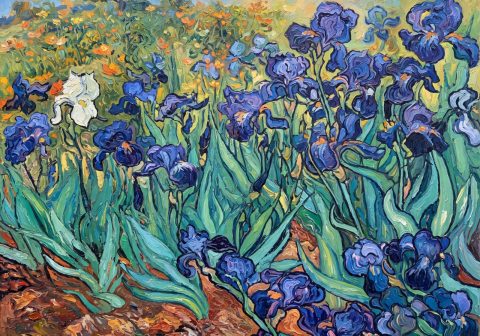 Van Gogh Fan
181 plays
🔥 Most played
 1
Abstract Line Painting
199 plays
 2
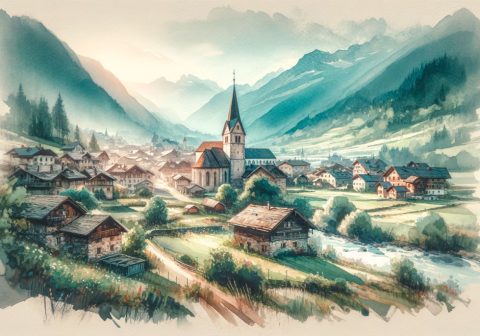
Watercolour Mountain Village
190 plays
 3
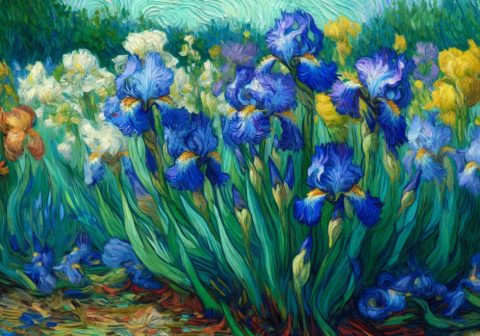
Irises in Bloom - Immersion in Post-Impressionist Art
185 plays
 4
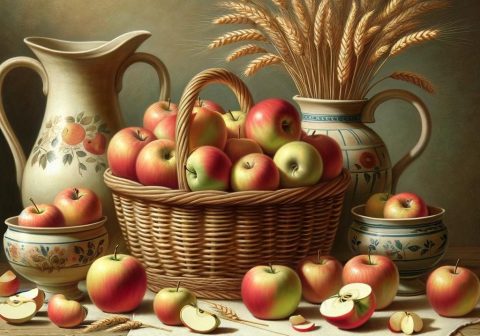
Still Life with Apples
178 plays
 5
Stroll in a Watercolour Dress
178 plays
 6
Watercolour Mountain Chalet
177 plays
 7
Colourful Impressionist Landscape
176 plays
 8
Mount Fuji in Impressionist Style
176 plays
 9
Abstract Painting: The Forest of Giant Trees
172 plays
All painting puzzles
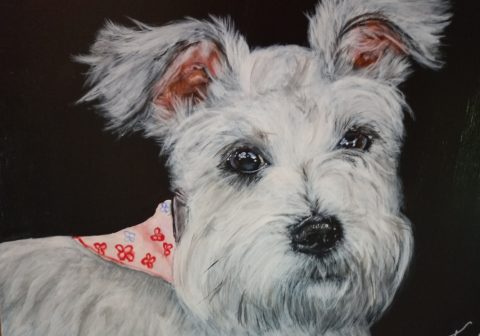 Painting of My Dog
161 plays
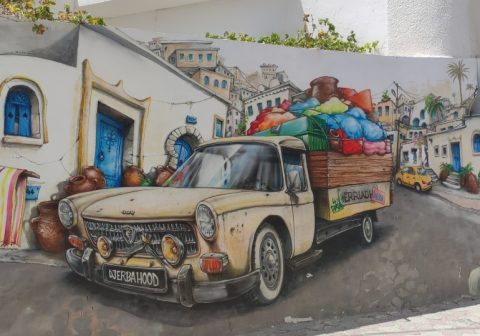 Mural Painting
155 plays
 Mural Painting
160 plays
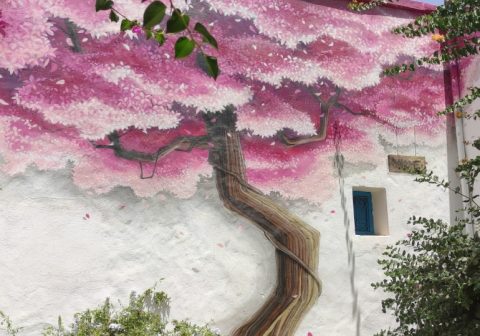 Mural Painting
153 plays
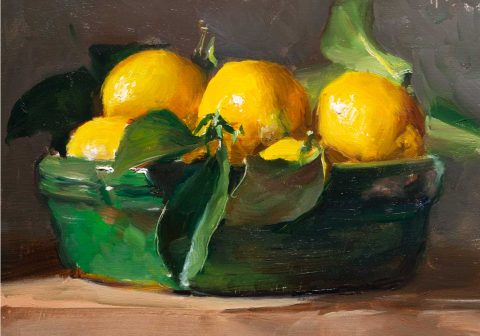 Still Life
156 plays
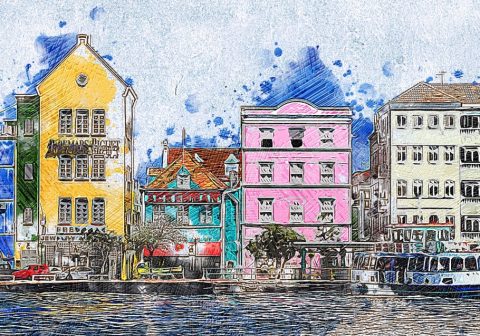 Watercolour Painting Colourful Buildings
142 plays
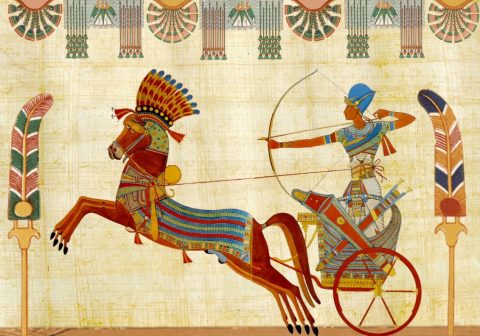 Egypt History Painting
158 plays
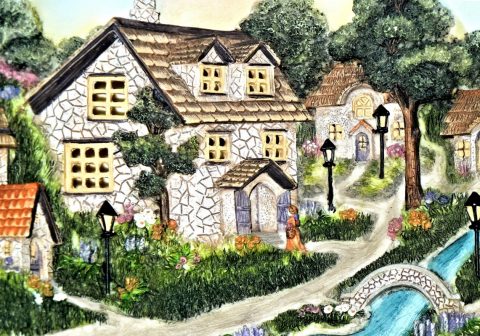 Hand-Painted Village of the Past
159 plays
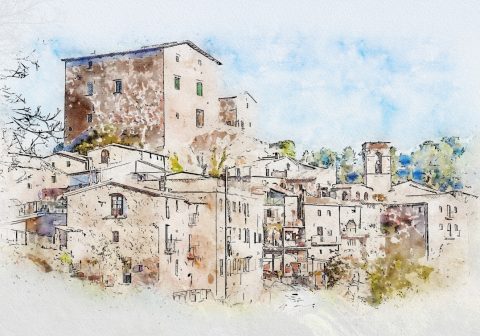 Painting of a Village
156 plays
 Autumn Still Life - Play and Assemble Online for Free
146 plays
 Still Life: Children's Favourite Fruits
159 plays
 Watercolour Gourmet Still Life
159 plays
 Japan Art Puzzle: Abstract Painting
169 plays
 The Thinker
151 plays
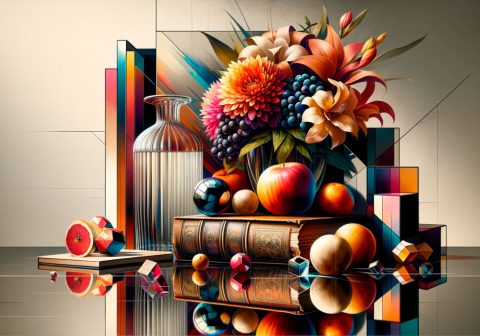 Splendour of a Contemporary Still Life
160 plays
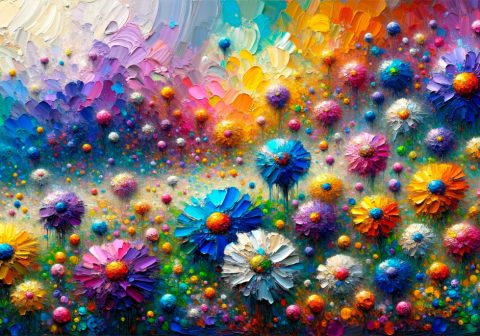 Flower Watercolour, a Colourful Mosaic
159 plays
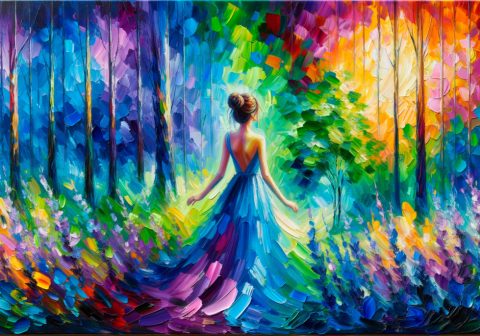 Colourful Impressionist Painting: Artistic Escape in Pieces
166 plays
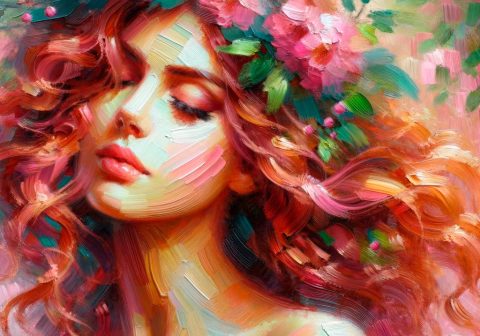 Impressionist Floral Woman
168 plays
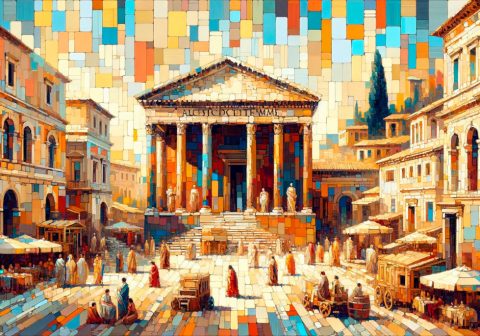 Dive into History with Our Impressionist Puzzle of Ancient Rome
158 plays
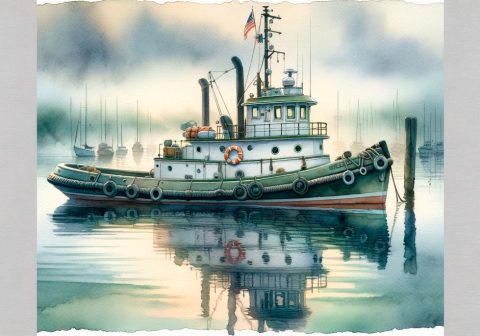 Relaxing Reflection: The Watercolour Tugboat
155 plays
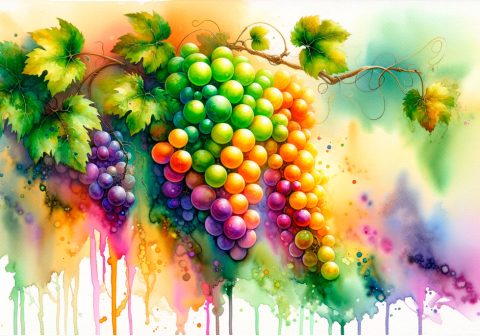 The Splendour of a Watercolour Vine
167 plays
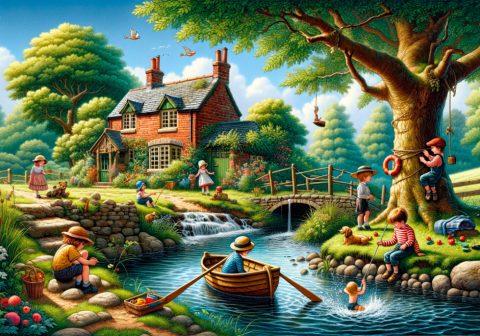 Idyllic Countryside: A Living Painting for the Whole Family
164 plays
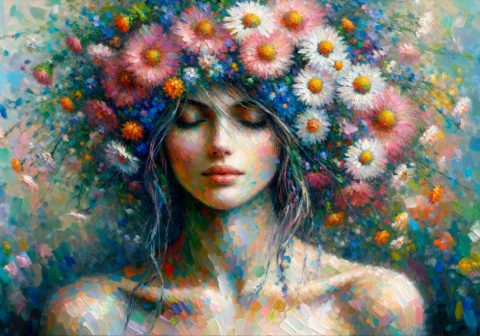 Floral Portrait in Impressionism
164 plays
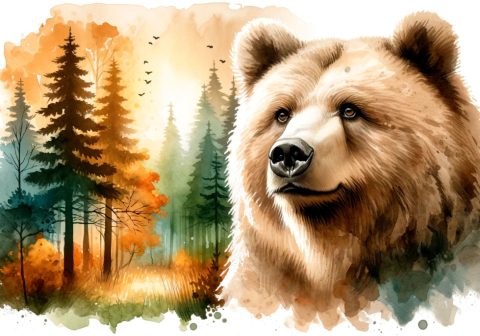 Watercolour Bear and Enchanted Forest
155 plays
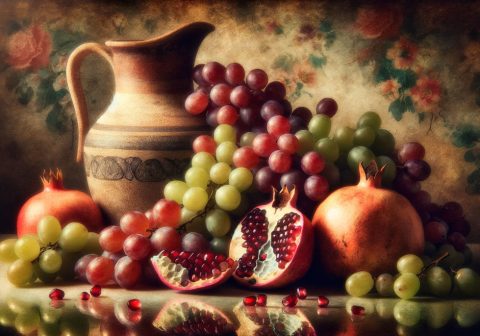 Classic and Elegant Still Life
164 plays
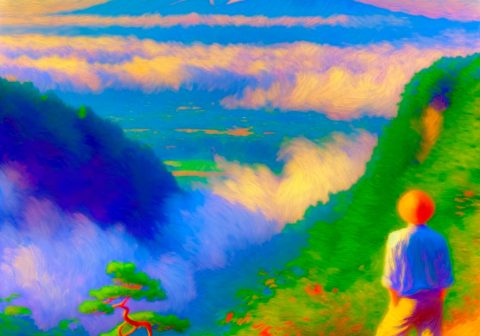 Impressionist View of Mount Fuji
165 plays
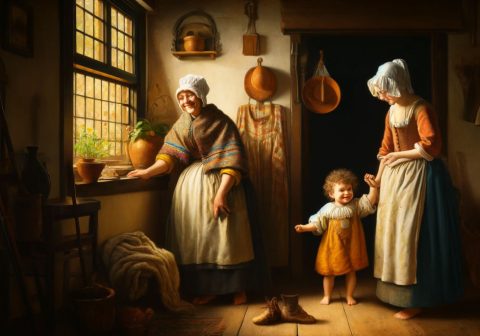 Family Life Scene in the Age of Dutch Painting
169 plays
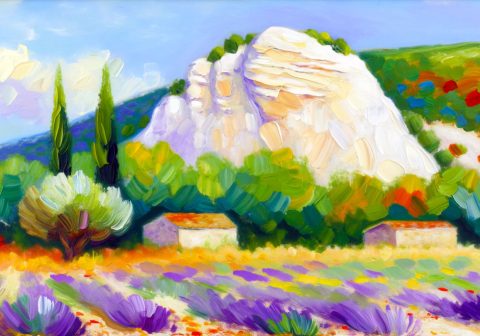 Impressionist Landscape in Vivid Hues
156 plays
Paintings piece by piece
Irises in a post-impressionist style, still lifes with apples, watercolor villages, murals and scenes in the manner of the Dutch masters: this category is an open-air gallery. Each puzzle is a chance to look at colors and brushwork from close up.
In a painting, every piece carries its own texture, which makes it easier to find its place. Choose a number of pieces to match the picture: fewer for a loose watercolor, more for a richly detailed scene.
Reading a painting one piece at a time
A painting puzzle changes the way you look at art. Instead of taking in the whole image at once, you notice the direction of each brushstroke and the way one colour meets another. Start by grouping pieces with similar paint, such as the greens of a garden or the warm yellows of a sunlit wall. Then look for the thickest strokes, which often sit in the centre of the picture. Edges of a canvas can be tricky when the sky or background is plain, so save the calm areas for later and rely on the textured parts first.
Who will enjoy these painting puzzles
These puzzles suit art lovers, students who want to study colour and composition, and anyone who likes a calm but absorbing pastime. They make a thoughtful gift for someone who loves painting or who has just visited a museum and wants to remember it. Many people also use them as a quiet way to unwind in the evening, with soft music in the background. Whatever your level, a painting always rewards slow, attentive work.
Frequently asked questions
Which painting puzzle is best for a beginner?
Choose a painting with bold shapes, clear colours and a simple background, such as a still life or a village scene. Fewer pieces make it easier to recognise where each part goes. Once you feel confident, try a more detailed picture with richer brushwork.
How do I sort pieces in a painting puzzle?
Sort by colour first, then by texture. Pieces with thick paint strokes or bright dots often belong in the centre, while soft gradients at the edges need careful matching. Keep the piece groups in small bowls so you can return to them quickly.
Can a painting puzzle help me learn about art?
A painting puzzle encourages close looking, which is a useful habit for any art lover. You notice how colours interact, how light falls across a surface and how the artist builds form. Many people find they remember the picture better after assembling it slowly.