Rose jigsaw puzzles
16 puzzles
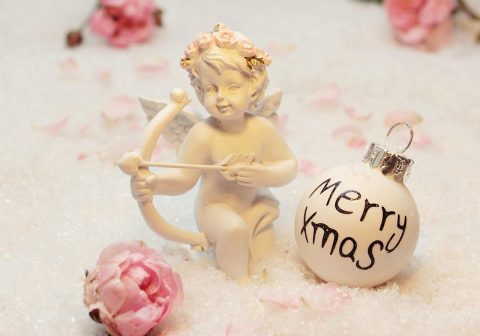 Cupid Angel with Christmas Bauble
63 plays
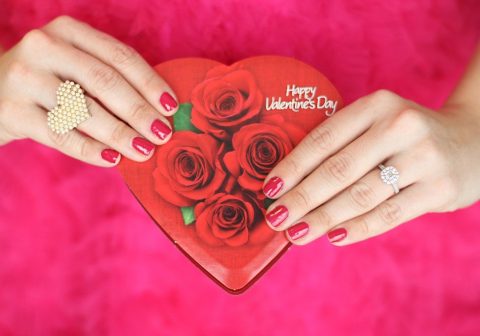 Red Roses Valentine's Day Heart Box
58 plays
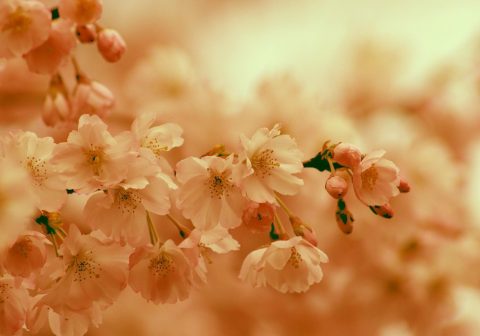 Pink Cherry Blossoms in Spring
179 plays
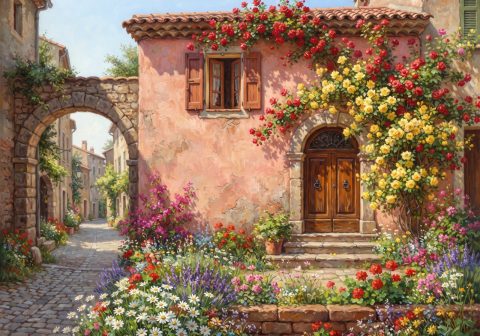 Pink House with Flowers Under a Stone Arch
169 plays
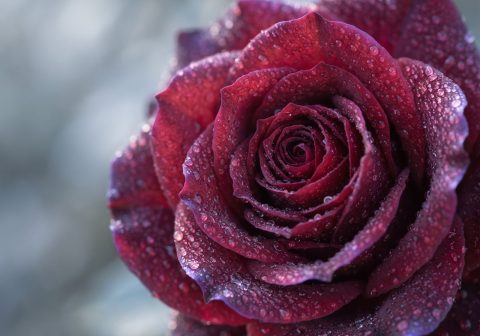 Burgundy Rose Covered in Droplets
127 plays
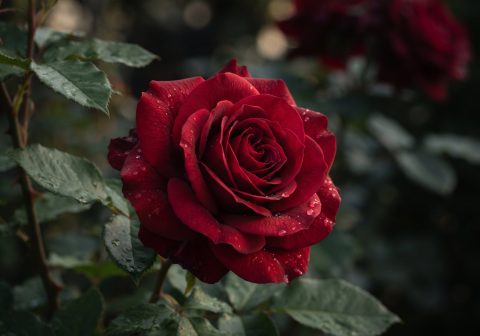 Pearled Red Rose
152 plays
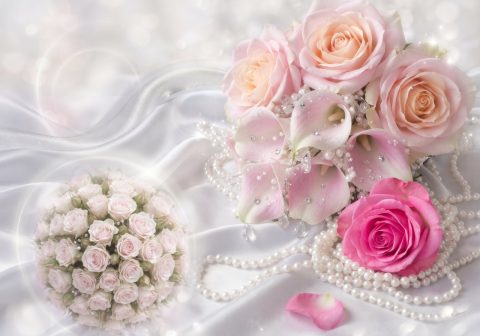 Pink Roses Bouquets on White Satin
143 plays
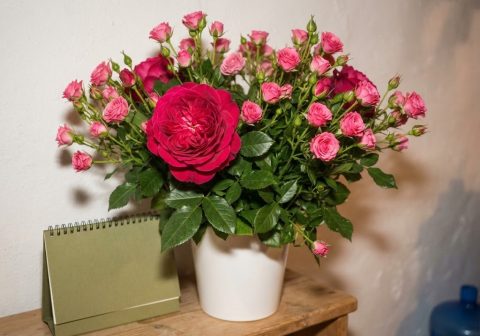 Bouquet of Pink Roses in a White Vase
143 plays
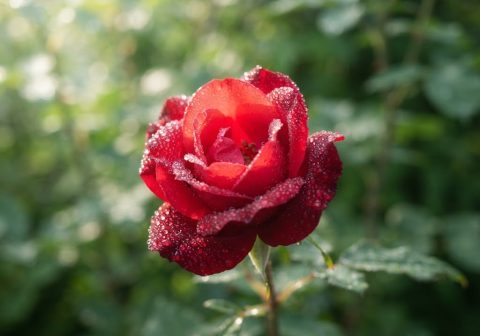 Red Rose Covered in Dewdrops
178 plays
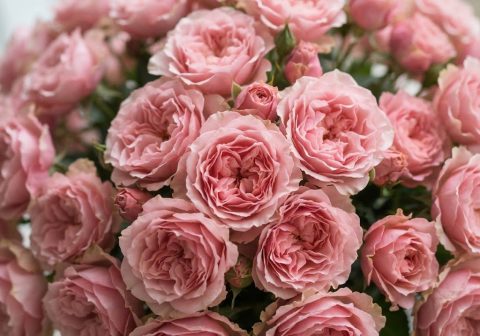 Fresh Pink Roses Bouquet
146 plays
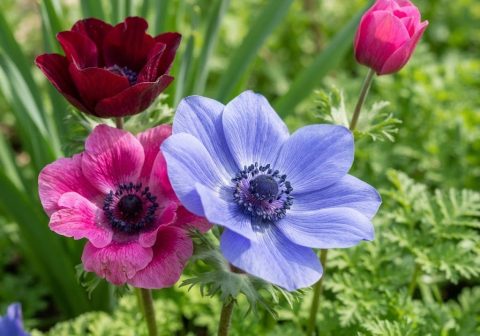 Blue, Pink and Burgundy Anemones in the Garden
122 plays
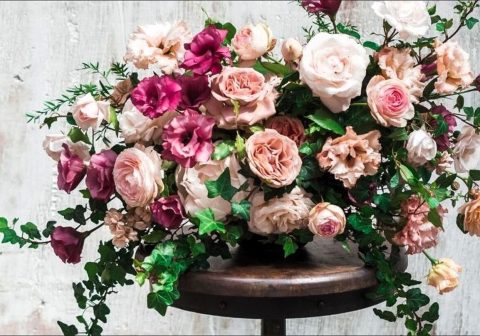 Peach Rose and Lisianthus Bouquet
170 plays
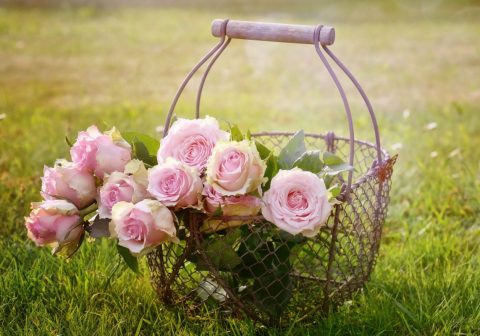 The Basket of Love Roses
175 plays
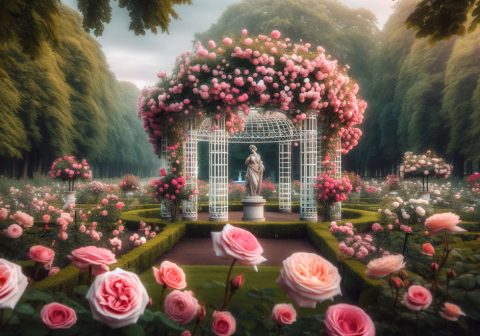 Enchanting Rose Garden
170 plays
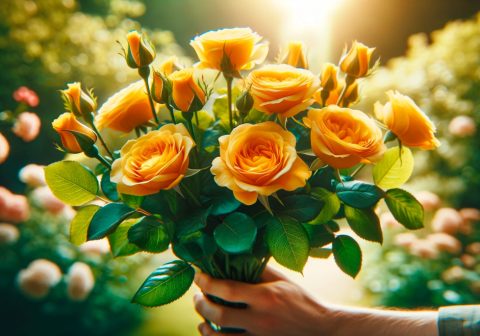 Bouquet of Dazzling Roses: A Colourful Challenge
161 plays
 Tropical Beach with Pink Roses
179 plays
The queen of flowers
A red rose covered in dew, bouquets of pink roses, a rose garden, a basket of flowers: roses are the very image of elegance. Here you can admire them up close, petal by petal, in shades from pale peach to deep burgundy.
Close-ups are harder than they look, because the petals are so similar. Follow the shading, and choose fewer pieces to begin with.
Choosing the right number of pieces
With roses, the number of pieces matters more than you might expect. A small puzzle of 24 or 48 pieces gives you big, clear sections of color, which is pleasant when you want a relaxed moment. For a rose picture with fine petal detail, a larger count can be rewarding, but only once you have a few easy puzzles behind you. Choose the count to match your mood and the time you have.
A calm, rewarding way to puzzle
Roses suit people who enjoy patience and soft colors. Working on a flower picture is a gentle activity that many people use to unwind after a busy day. Try sorting the pieces into piles by shade before you start, and place the lightest petals first. As the bouquet takes shape, you will feel the pleasure of watching a flower bloom piece by piece.
Frequently asked questions
Is a rose puzzle good for beginners?
Yes, especially a smaller one. Large areas of similar color can feel tricky at first, so start with a lower piece count. Sorting by shade helps you see patterns, and each completed section gives a satisfying boost of progress.
How do I tell apart pieces that look alike?
Look closely at the edges of each petal, the direction of the veins and the exact shade. Compare pieces next to the finished area rather than in isolation. Working slowly and comparing small details usually reveals the right place.
Can I use a rose puzzle as a relaxing activity?
Many people find it very relaxing. The soft colors and the repetitive, focused work create a calm rhythm. You can work for a few minutes or an hour, and the picture will still be there when you come back to it.