Kids jigsaw puzzles
173 puzzles
🆕 Latest kids puzzles
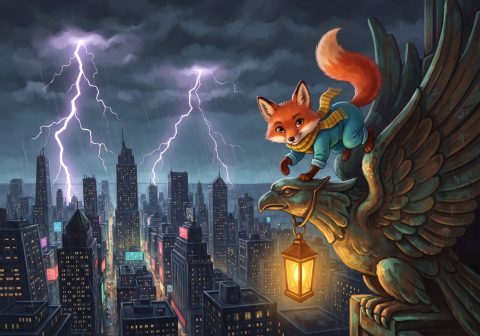 Fox Perched on a Griffin
124 plays
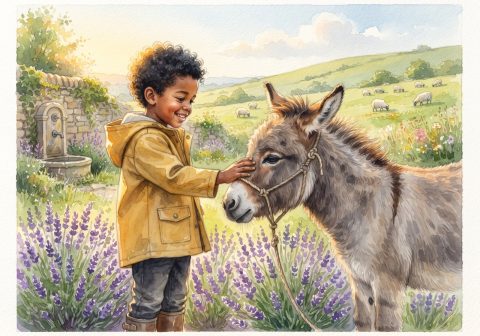 Child and Donkey in the Lavender
151 plays
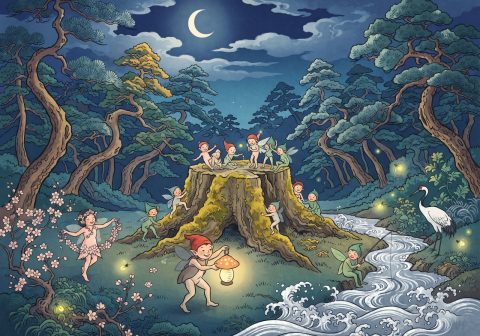 Elves on a Mossy Stump at Night
139 plays
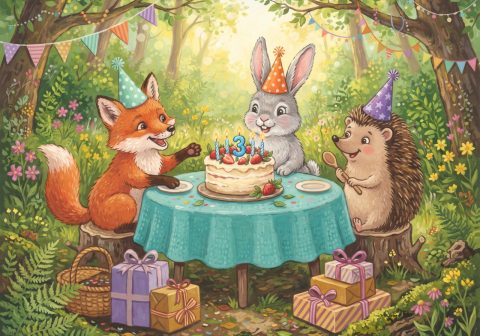 Birthday Cake in the Clearing
162 plays
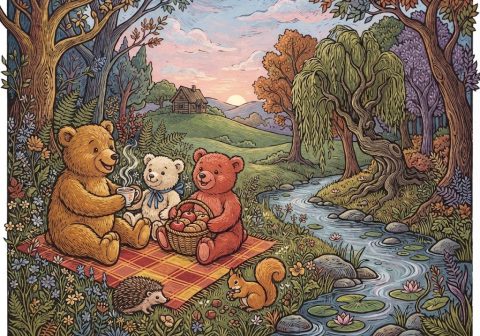 Three Bears Picnic by the Stream
147 plays
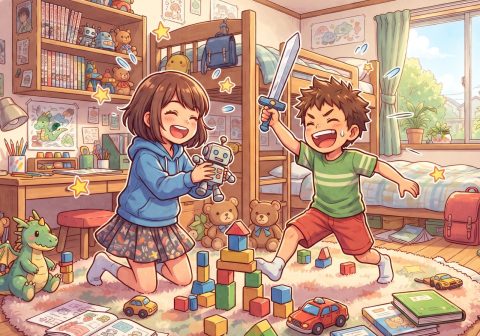 Children's Room in Spring
180 plays
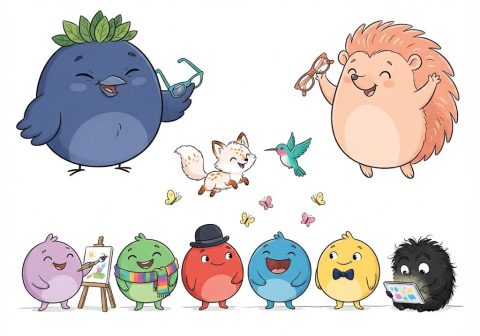 Bird and Hedgehog in Glasses
170 plays
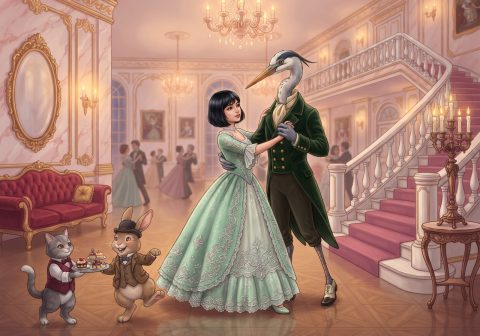 Waltz in a Sea-Green Dress
166 plays
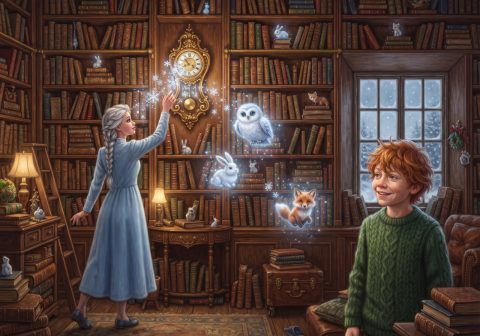 Snowy Library and Glowing Animals
152 plays
🔥 Most played
 1
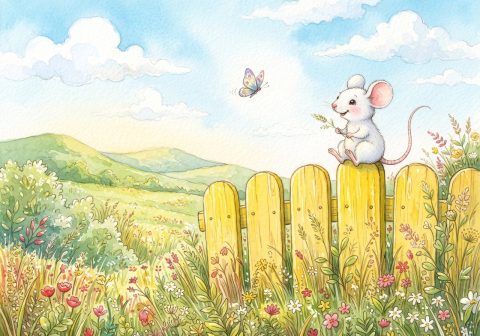
White Mouse and Butterfly
338 plays
 2
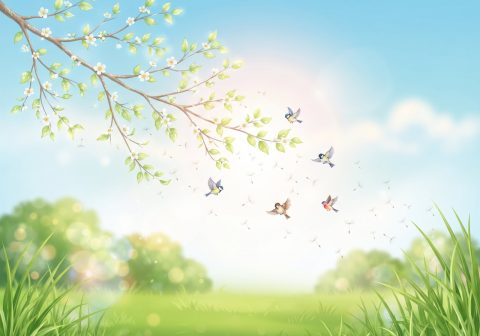
Blossoming Branch and Birds in Spring
251 plays
 3
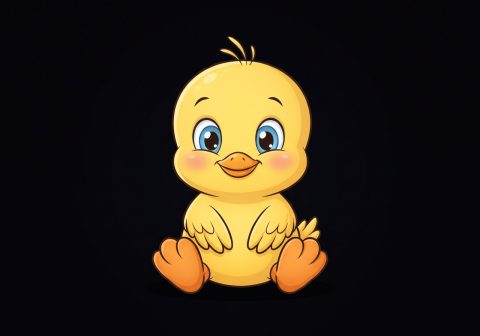
Seated Chick with Big Blue Eyes
242 plays
 4
Red Heart Pierced by an Arrow
239 plays
 5
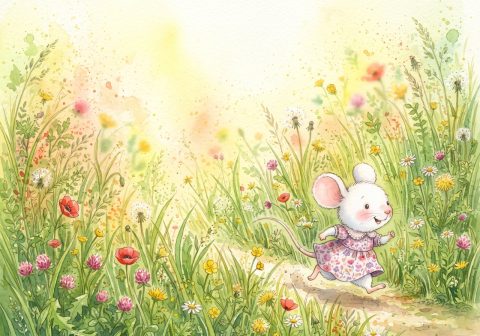
Little Mouse in a Flowered Dress in the Grass
238 plays
 6
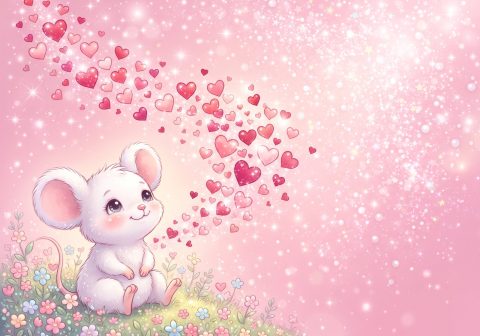
Little White Mouse Among the Hearts
231 plays
 7
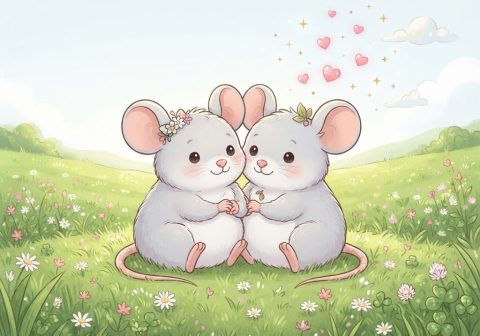
Two Grey Mice Side by Side
230 plays
 8
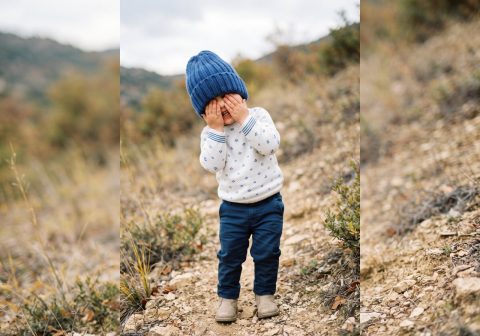
Laughing Child in a Blue Hat
229 plays
 9
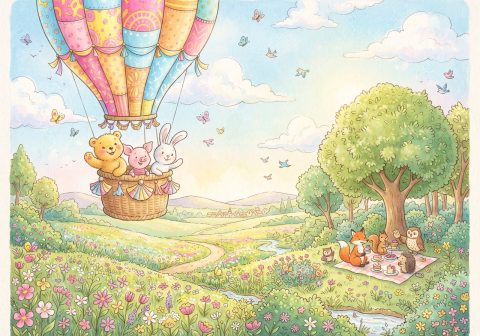
Picnic Under the Big Flowering Tree
225 plays
All kids puzzles
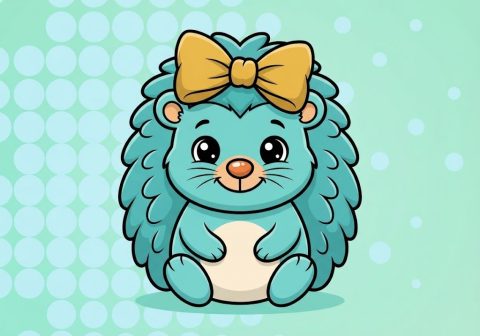 Turquoise Hedgehog with a Big Golden Bow
166 plays
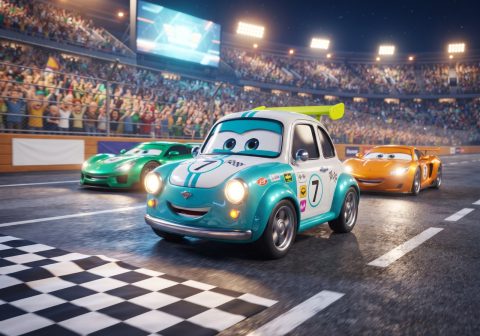 Turquoise Racer in the Spotlight
157 plays
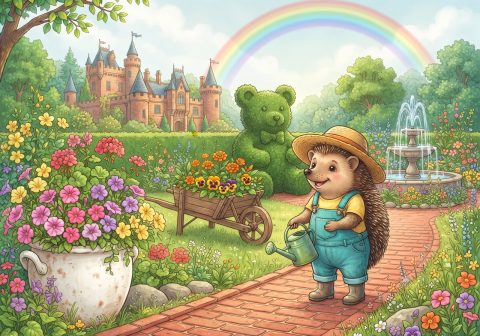 Hedgehog in Dungarees Watering Flowers
140 plays
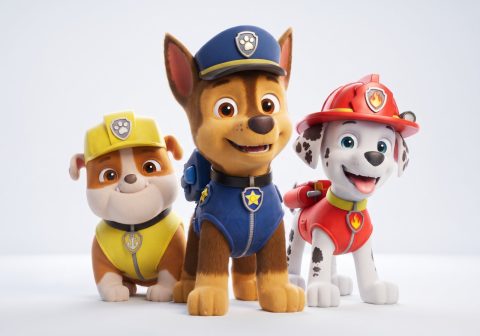 Three Puppies in Helmet and Cap
149 plays
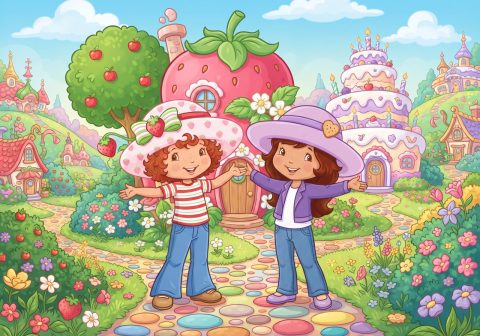 Two Little Girls in front of a Strawberry Cottage
146 plays
 Blonde Pigtails and Blue Planet
161 plays
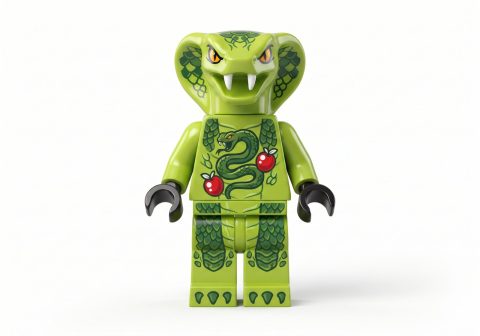 Green Cobra Figurine with Red Apples
160 plays
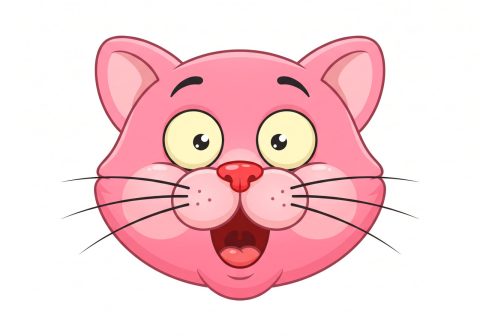 Surprised Pink Cat Face
165 plays
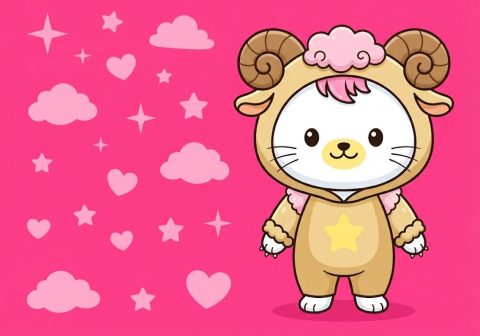 Little Cat Dressed as a Ram
165 plays
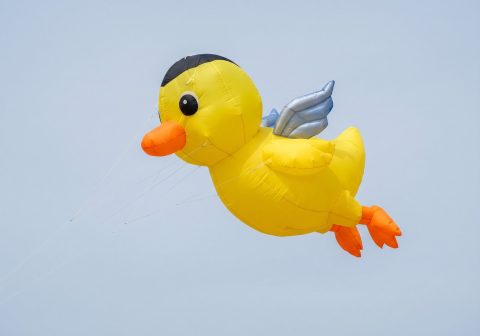 Puffed Yellow Duck in the Sky
180 plays
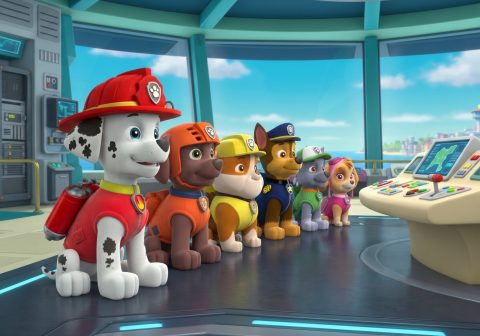 Puppies Lined Up by the Window
136 plays
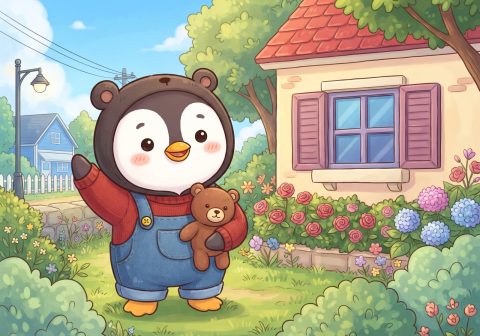 Little Penguin in a Teddy Bear Hood
150 plays
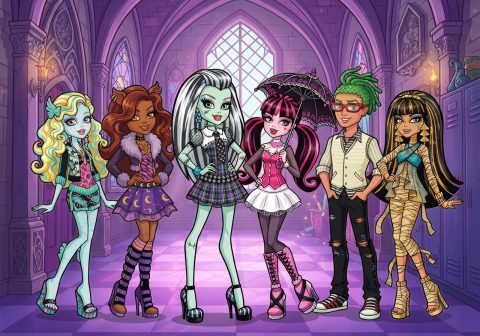 Six Friends in the Gothic Hallway
163 plays
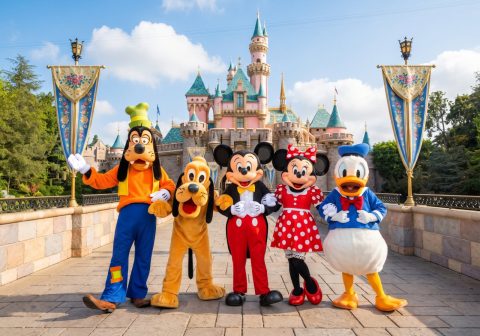 Five Mascots on a Cobblestone Bridge
144 plays
 Mermaids Embracing in Front of a Green Castle
140 plays
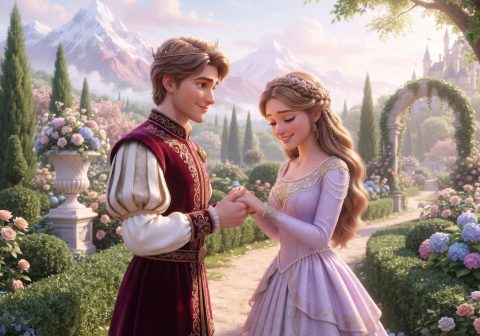 Royal Couple Holding Hands
151 plays
 Golden Robot Facing Its Pilot
161 plays
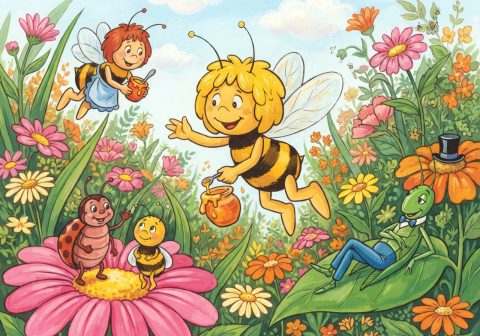 Bee with the Honey Pot
147 plays
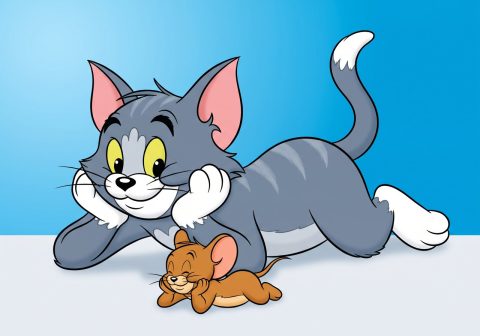 Grey Cat and Mouse at Rest
182 plays
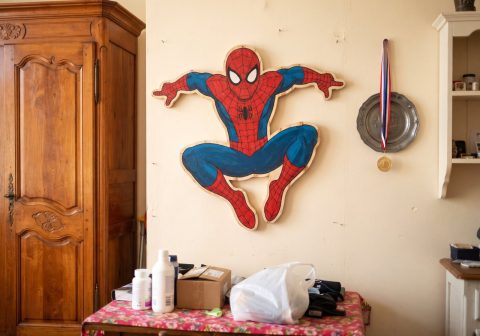 Masked Hero Leaping from a Wall
170 plays
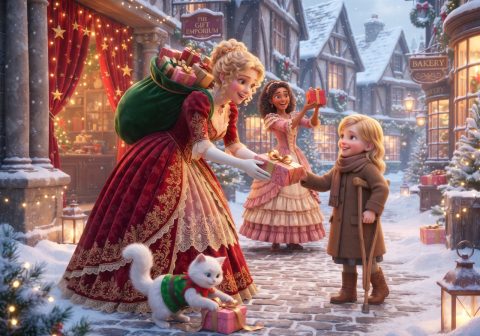 Gift Stretched Under the Snow
165 plays
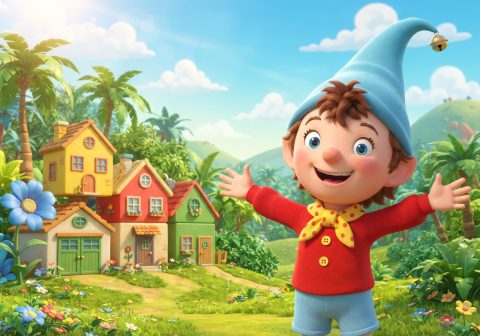 Little Elf in the Blue Hat
162 plays
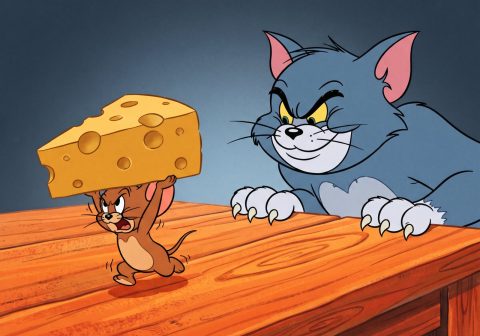 Brown Mouse and Big Yellow Cheese
152 plays
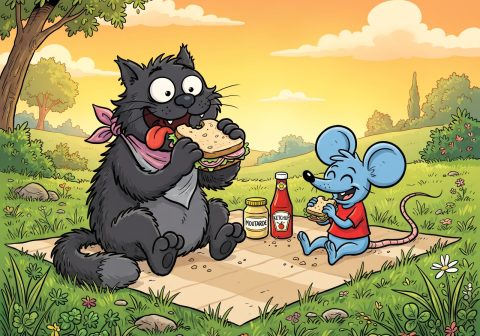 Black Cat with a Pink Scarf
159 plays
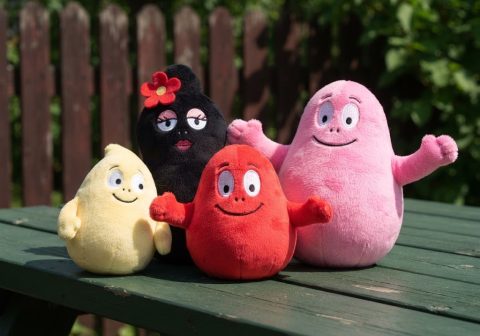 Round Plush Toys on Garden Table
153 plays
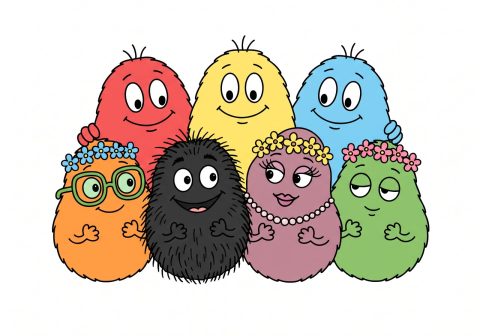 Seven Fluffy Creatures in a Tight Row
174 plays
 Leaping Boy in Red Vest
159 plays
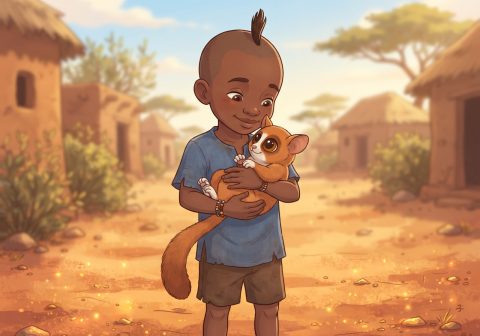 Boy Cuddling an Orange Galago
158 plays
 Smiling Ghost in a Red Cap
158 plays
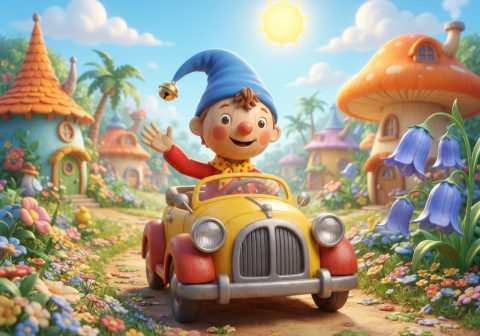 Yellow Car Ride in the Village
160 plays
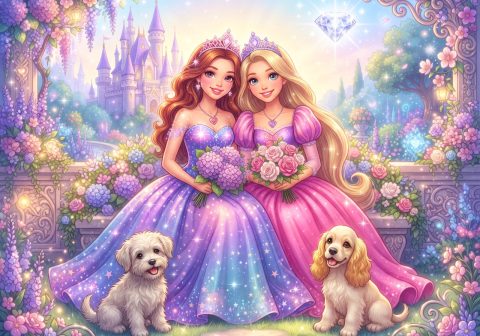 Two Tiaras, Bouquets and Happy Dogs
170 plays
 Satin Ribbon Windmill at the Fair
191 plays
 Stars in a Line Across the Sky
199 plays
 Shouting Hero in the Flames
188 plays
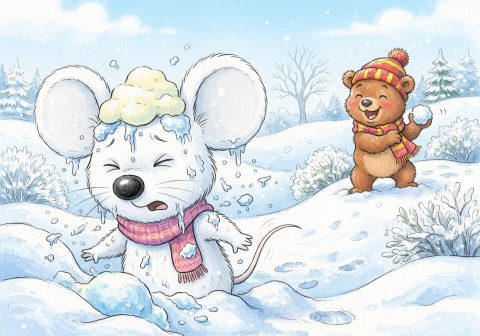 Frosty Mouse and Playful Bear Cub
183 plays
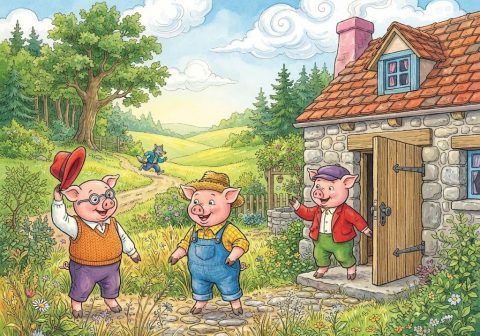 Three Pigs at the Stone Threshold
165 plays
 Winged Warrior in Red and White
179 plays
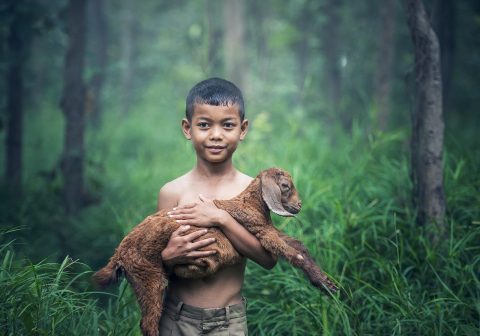 Smiling Boy and Kid Goat in the Forest
142 plays
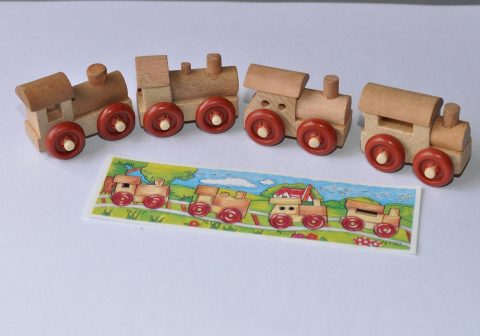 Colourful Little Wooden Train
152 plays
Jigsaw puzzles for kids
A teddy bear picnic, a hedgehog in overalls watering flowers, puppies in caps, little mice in flowery dresses, mermaids and friendly robots: the pictures in this collection are colorful, cheerful and full of characters. They’re picked for kids to enjoy, whether they’re just starting out or already pretty good at it.
Jigsaws help children focus, notice details and feel proud of finishing something on their own. For toddlers, start with 6 or 12 big pieces and sit with them the first few times. From about age five, 24 to 48 pieces is a good challenge. Everything works on a tablet with a finger, with nothing to download and no account to create.
Bright colors that guide little hands
Children's pictures are often designed with bold, clear colors that make pieces easier to recognize. Look for the strong outlines around characters and objects, as these help separate one piece from another. Patterns on clothes, flowers and fur also give helpful clues. When sorting, group pieces by their brightest colors first, then move on to the softer backgrounds, which usually have fewer details and can be placed once the main characters are in position.
Building confidence one piece at a time
Children enjoy puzzles that show characters they already love, and seeing a finished picture gives them a real sense of achievement. Sitting together and talking about the scene can make the activity even more enjoyable, and it encourages early vocabulary and observation. For very young players, a small number of large pieces keeps things simple. As skills grow, a set of about 48 pieces offers a satisfying step up.
Frequently asked questions
How can I help a child who gets frustrated?
Encourage them to start with a piece they can clearly see, such as a character's face or a bright object. Praise each small step rather than only the finished picture. If they seem tired, put the puzzle aside and return to it later, so it stays a happy activity.
What should a child learn from a puzzle?
Puzzles help children practice concentration, matching shapes and colors, and noticing details. They also build patience and the satisfaction of completing a task. Talking about the picture while building can add language skills, such as naming animals, objects and colors.
When should a child move to more pieces?
Move to a larger number of pieces when the child can finish a puzzle with little help and wants a new challenge. Many children are ready for about 48 pieces around age five or six. Let them choose the picture, since interest makes the step up more enjoyable.