Art jigsaw puzzles
380 puzzles
🆕 Latest art puzzles
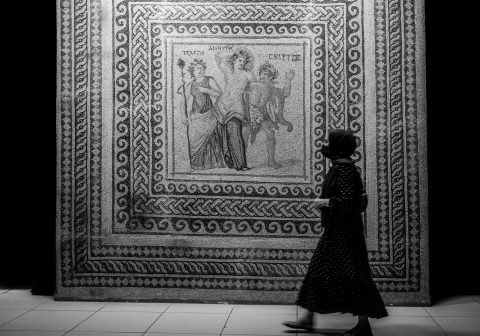 Roman Mosaic Dionysus Jigsaw
1 play
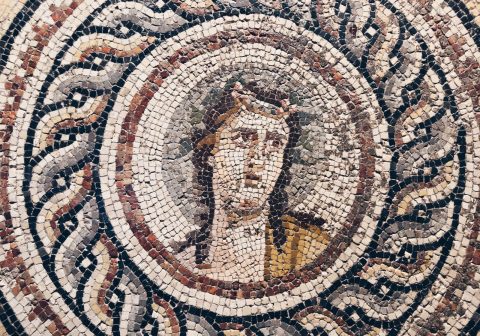 Roman Mosaic Face Jigsaw
1 play
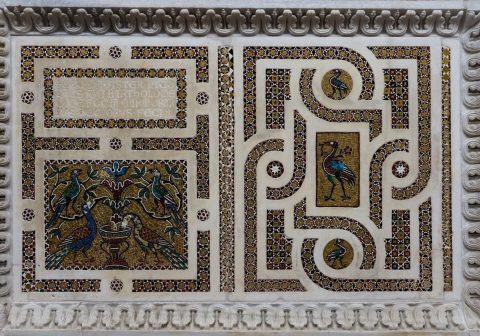 Cosmati Mosaic Peacocks
1 play
 Blue Colored Pencils Gradient
1 play
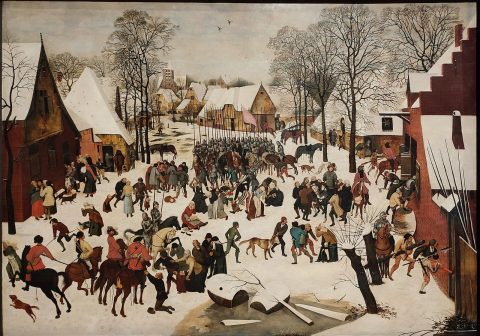 Bloody Winter in a Snowy Village
131 plays
 Rainbow Paper Swirl
121 plays
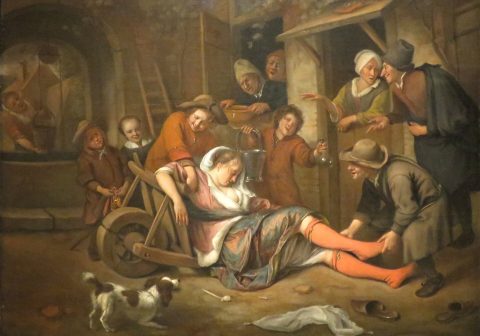 Wine Is a Mocker
120 plays
 Village Kermis
117 plays
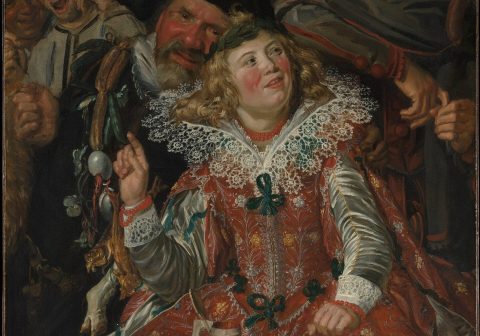 The Merry Revellers of Shrove Tuesday
116 plays
🔥 Most played
 1
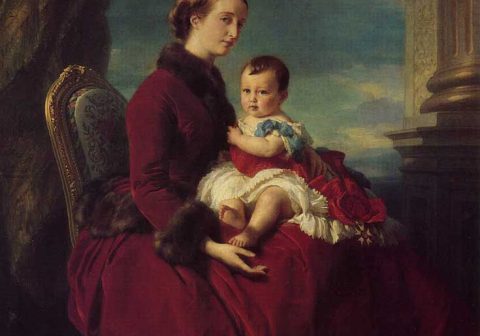
Empress Eugénie and the Prince Imperial
540 plays
 2
Primordial Sun
511 plays
 3
Fluid Abstract Colourful Art Composition
223 plays
 4
Color Geometry
207 plays
 5
Halloween pumpkins by a glowing cottage
207 plays
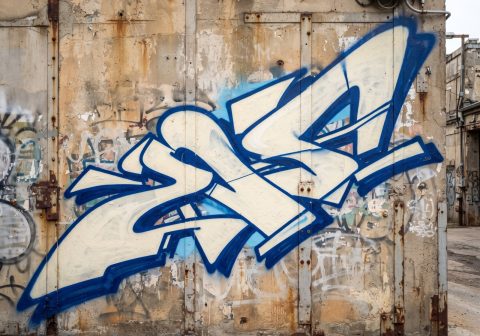 6
Cream and Navy Graffiti on Metal Doors
206 plays
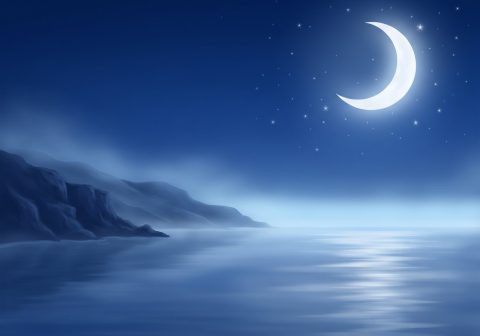 7
Magic Moon
200 plays
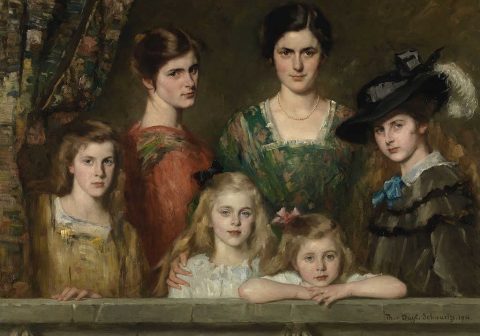 8
Six Girls
200 plays
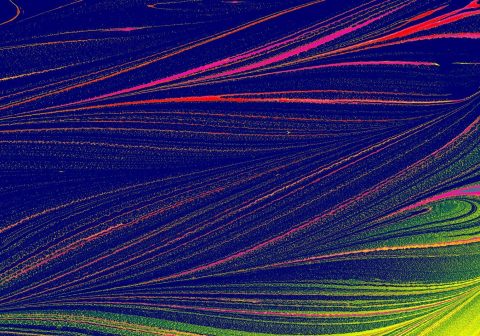 9
Abstract Line Painting
199 plays
All art puzzles
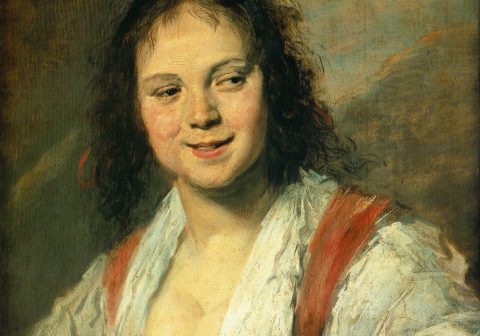 The Laughing Young Gypsy Girl
123 plays
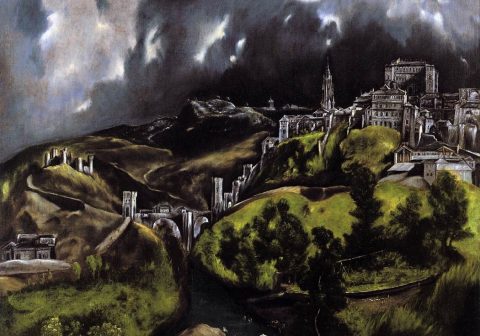 View of Toledo
132 plays
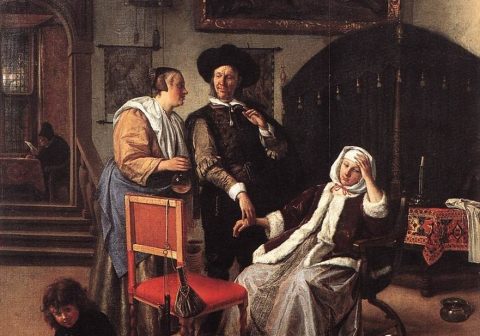 The Doctor's Visit
116 plays
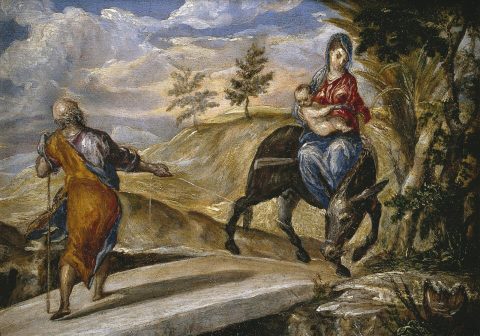 The Flight into Egypt
117 plays
 Christ the Saviour
115 plays
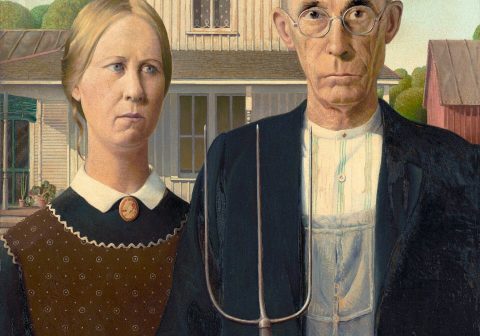 American Gothic
97 plays
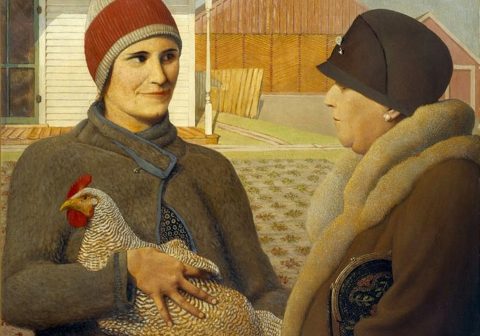 The Appraisal
115 plays
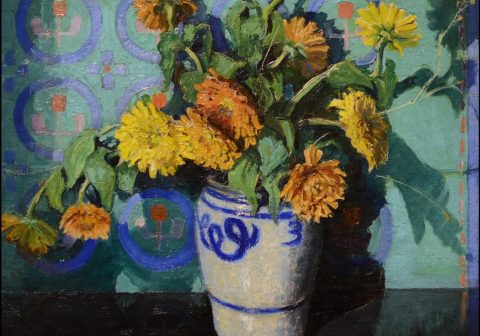 Marigolds
107 plays
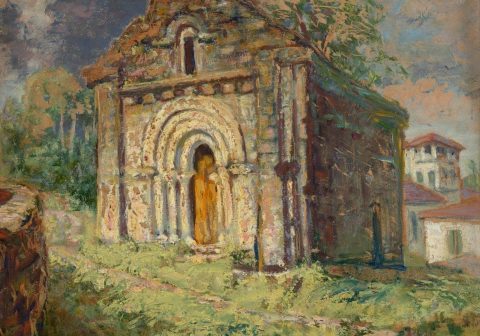 The Little Chapel of Chancelade
90 plays
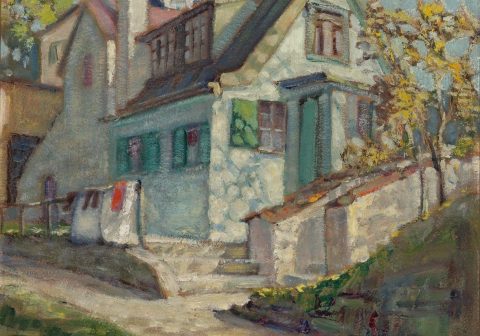 Sunlit House
85 plays
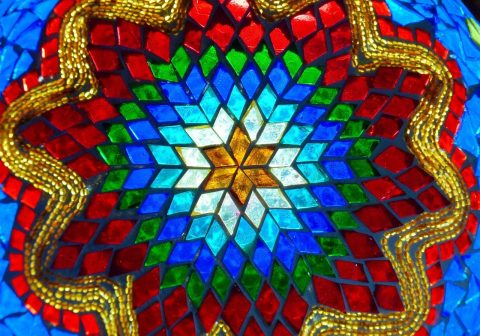 Colorful Glass Mosaic Mandala
90 plays
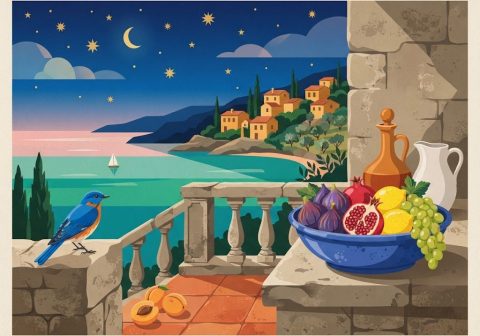 Mediterranean Terrace Under the Stars
160 plays
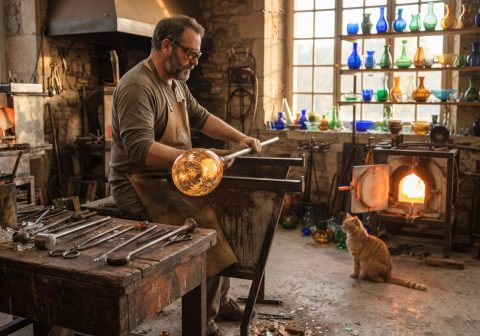 Glassblower at Work in the Workshop
189 plays
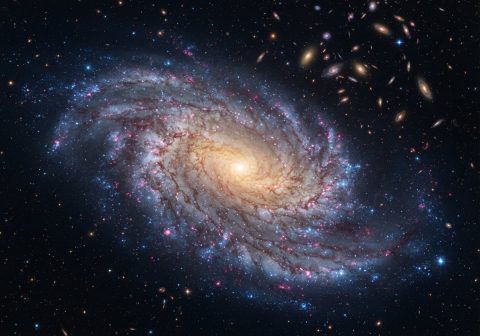 Spiral Galaxy with Pink and Blue Arms
184 plays
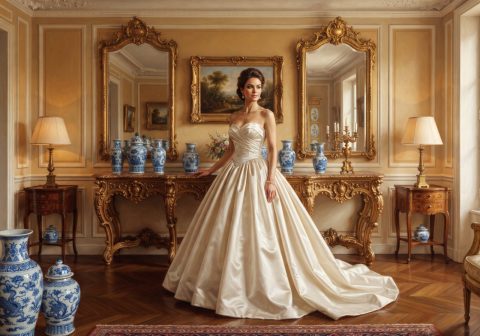 Woman in Ivory Dress in Golden Salon
146 plays
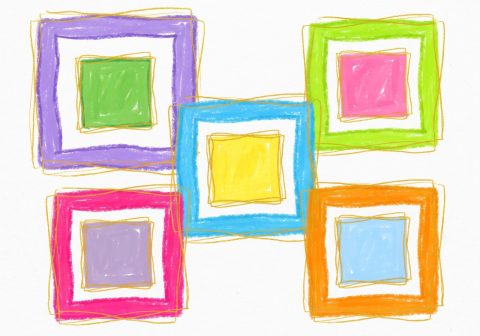 Coloured Squares Drawn in Pencil
173 plays
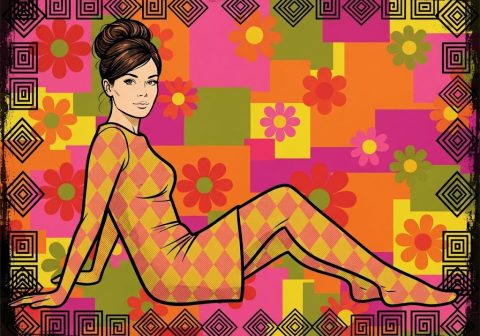 Retro Woman in Diamonds on Floral Background
150 plays
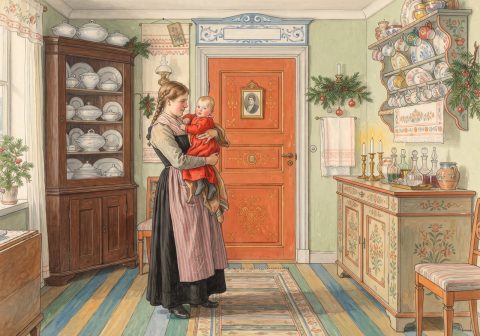 Mother and Child Near the Sideboard
144 plays
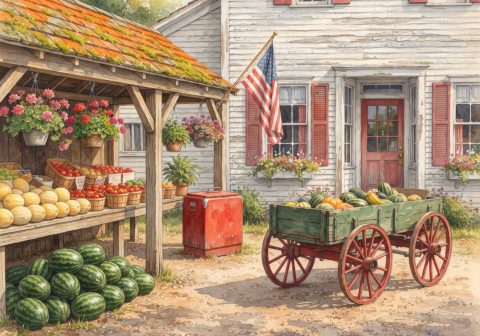 American Country Market in Summer
142 plays
 Glowing Spiral Ribbons to a Heart
146 plays
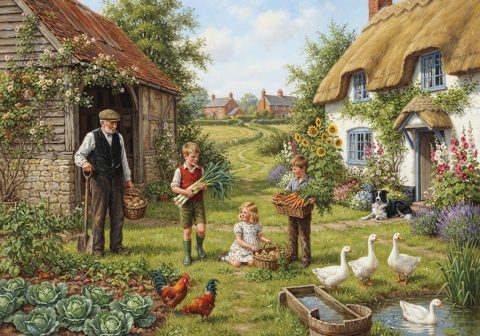 Family Harvest in Front of the Flowered Cottage
137 plays
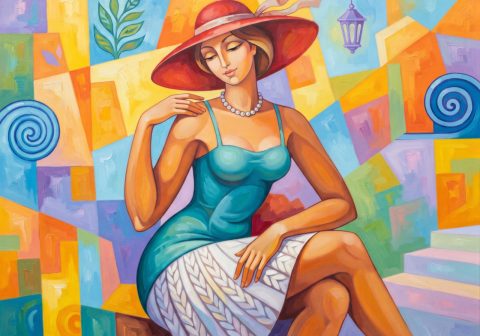 Woman in a Red Hat on a Colourful Background
161 plays
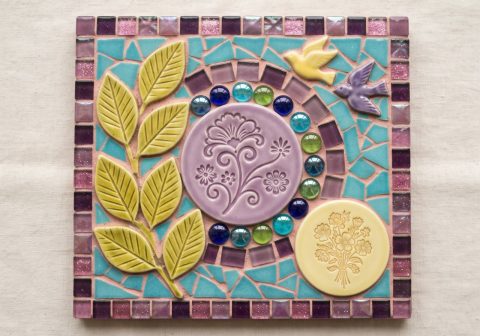 Turquoise Mosaic with Yellow Leaves and Birds
159 plays
 Rows of Blue Cylinders in Perspective
186 plays
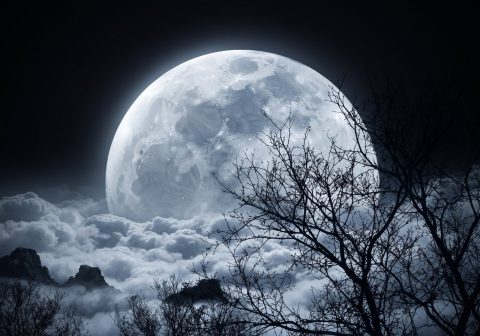 Full Moon over Clouds and Bare Trees
185 plays
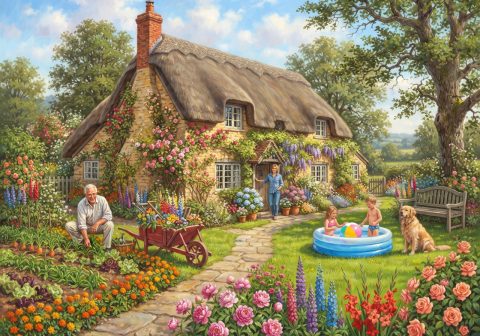 Flowering Cottage and Summer Garden
130 plays
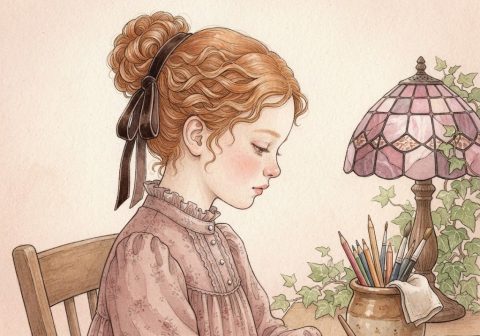 Red-Haired Girl Drawing Under a Pink Lamp
129 plays
 Iridescent Purple and Blue Bubbles
148 plays
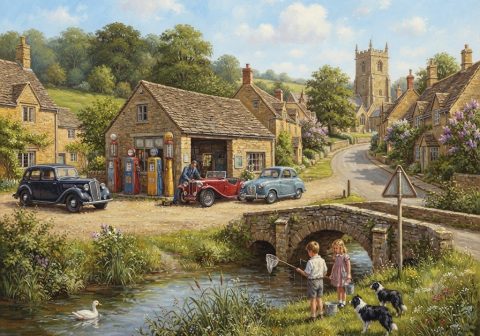 Service Station and Children by the Stone Bridge
144 plays
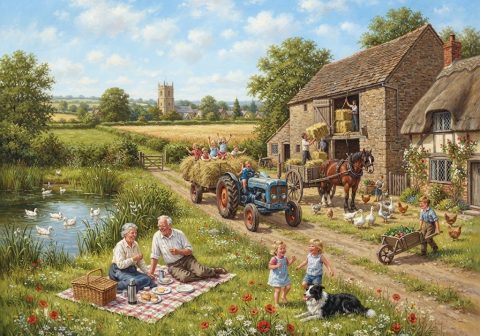 A Summer Day on the Farm and a Picnic by the Pond
144 plays
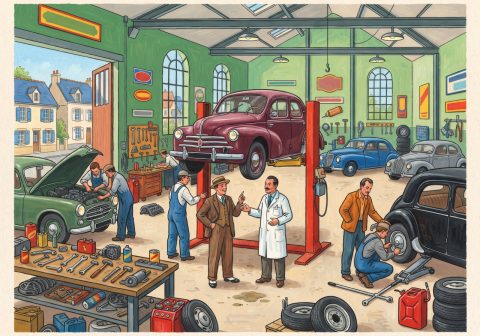 Retro Garage with Vintage Cars and Mechanics
133 plays
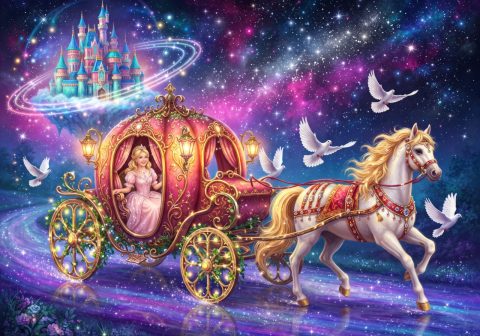 Pink Carriage Under a Purple Galaxy
135 plays
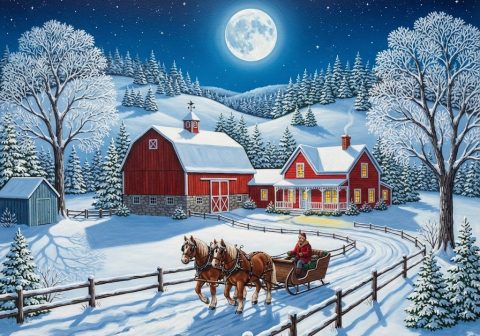 Horse Sleigh Under the Full Moon
153 plays
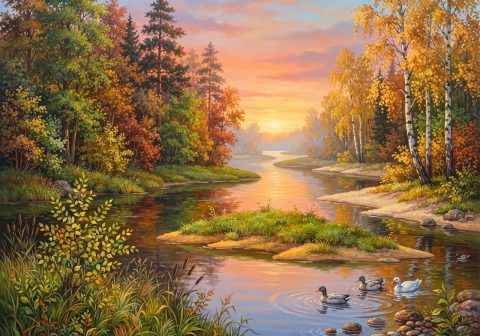 Ducks Swimming at Sunset in Autumn
127 plays
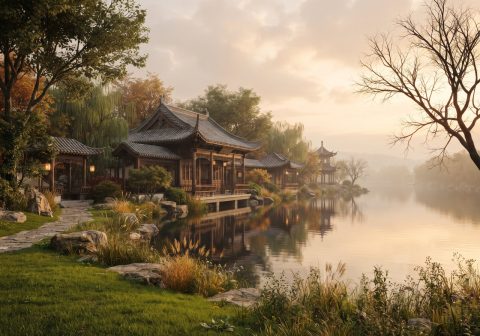 Chinese Pavilions by the Lake
157 plays
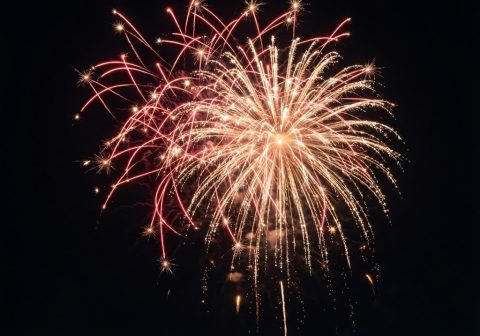 Golden and Pink Fireworks
161 plays
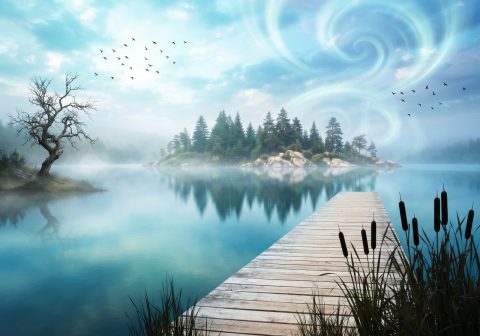 Misty Pier on the Lake of Blue Swirls
127 plays
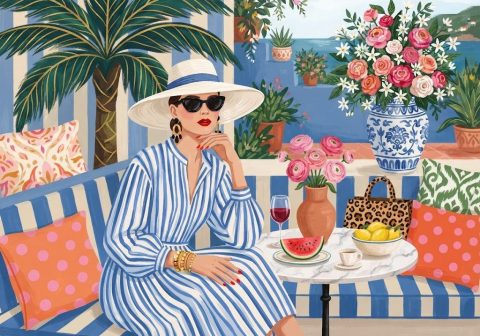 Stylish Woman on a Sunny Terrace
170 plays
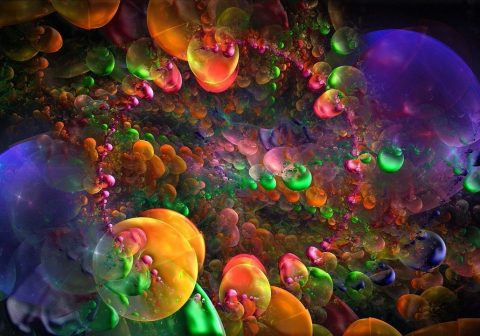 Glowing Bubbles and Colourful Worlds
146 plays
Art jigsaw puzzles to look at up close
Doing a jigsaw is one of the best ways to really see a painting. Here you’ll find portraits and scenes in the style of the old masters, still lifes, country markets, mosaics and bright geometric patterns. Some are calm and full of detail; others are pure bursts of color.
Art puzzles rarely have big plain areas, which makes every piece worth looking at: almost each one holds a brushstroke or a detail you hadn’t noticed. Abstract designs are a different kind of challenge, with nothing to recognize but color and shape, so try them with fewer pieces first. And use Preview as often as you like: looking at the picture is half the fun.
Getting more from an art puzzle
Art puzzles reward a slower, more attentive approach. Each painting or composition holds its own rhythm, whether it is the flowing brushwork of a traditional portrait or the sharp contrast of a modern design. Consider the mood you want to experience, since some works feel contemplative while others feel lively and energetic. Working on an art puzzle can also feel like a conversation with the artist, as you notice how colors are layered and how shapes are balanced across the surface. Taking a few minutes to study the original picture before you begin often makes the experience richer.
Using color and brushwork to guide your placement
Art puzzles often have subtle clues that help you sort the pieces. Brushstrokes tend to follow a consistent direction, so noticing the flow of a stroke can point you toward the right area. Color palettes are also useful, as a painting usually repeats a limited set of hues across its surface. Grouping pieces by these dominant tones, rather than by exact color, helps build the composition gradually. For abstract designs, focusing on the boundaries between colored shapes can give you a reliable path through the picture.
Frequently asked questions
Are art puzzles harder than other pictures?
They can be, particularly abstract designs where there is no obvious object to recognize. Traditional paintings with clear subjects are usually easier to start. Choosing fewer pieces at first helps you adjust to the style before attempting a larger, more complex composition.
How do I sort pieces in a painting with few plain areas?
Group pieces by dominant colors and the direction of brushstrokes. Look for the edges of the frame and any strong contrasts within the picture, since these often mark key areas. Working gradually from these anchor points makes the composition easier to build.
Can an art puzzle be enjoyed by people who are not artists?
Yes, art puzzles are open to everyone. You do not need any training to enjoy them. Looking closely at colors, shapes and details is a pleasant activity in itself, and many people discover new appreciation for art simply by spending time with a picture.