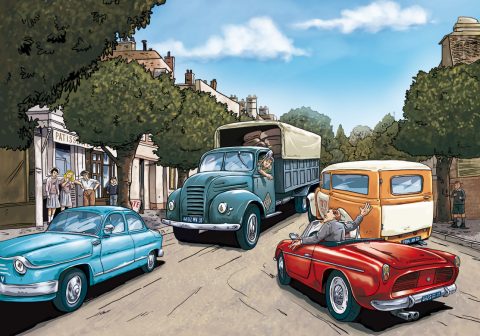
A jigsaw puzzle teaches a child to look carefully, to recognize shapes and colors, to be precise with their hands and to keep going until the end. It is also a calm moment shared with an adult, without a winner or a loser.
What a child learns
Looking. Comparing two pieces that are almost alike trains the eye.
Hands. Picking up a piece, turning it and placing it exactly builds fine motor skills.
Logic. Sorting, trying, ruling out: the first steps of reasoning.
Patience. A puzzle cannot be rushed. The child learns that effort leads somewhere.
Confidence. The last piece is a small victory, and children remember it.
How to help without doing it for them
Ask questions instead of placing the piece yourself: “Where is the cat’s ear?”, “Which pieces have some blue?”. Let the child make mistakes and try again. Stop before they are tired, and come back to it later.
Choose a picture the child loves. An animal, a vehicle or a favorite season keeps attention far longer than a beautiful picture chosen by a grown-up.
Screen or cardboard?
Both have their place. Cardboard trains the fingers more. On a screen, no piece gets lost under the sofa, and the same picture can be played again with more pieces. Stay next to young children and keep sessions short: ten minutes is plenty at 3 or 4 years old. The chart is in how many pieces for which age?