City jigsaw puzzles
213 puzzles
🆕 Latest city puzzles
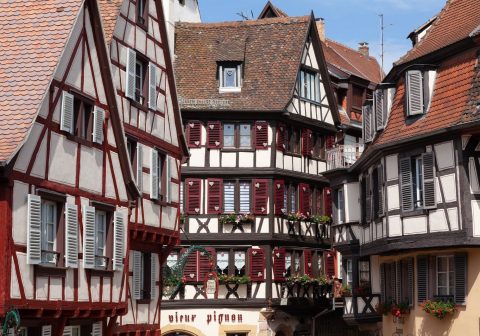 Colmar Half-Timbered Houses
1 play
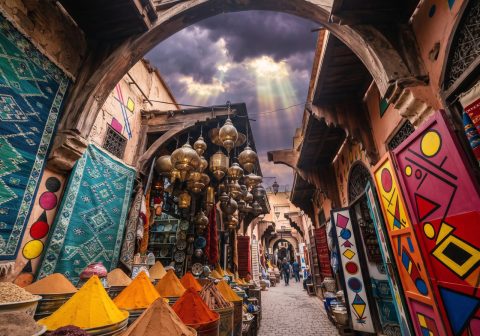 Moroccan Souk with Spices and Lanterns
63 plays
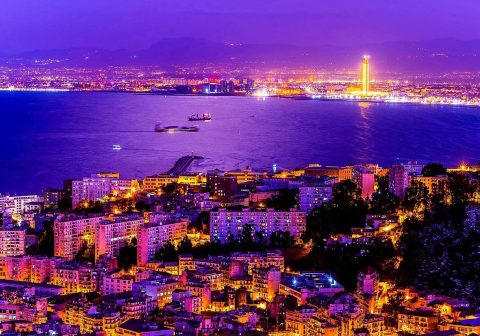 Algiers City Lights at Night
75 plays
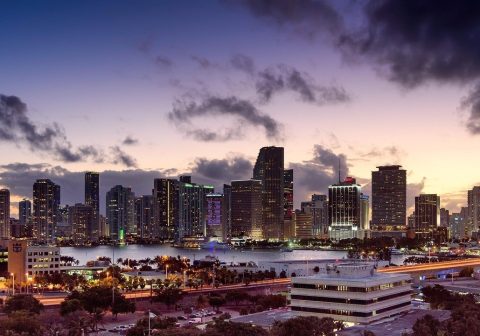 Miami Skyline at Dusk
70 plays
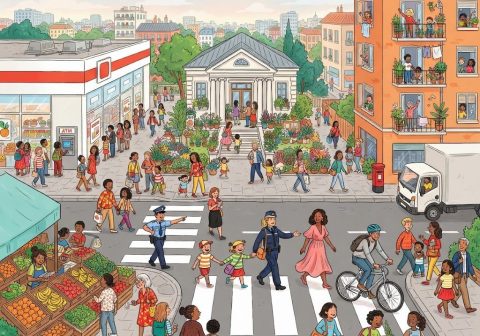 Busy City Street Scene
148 plays
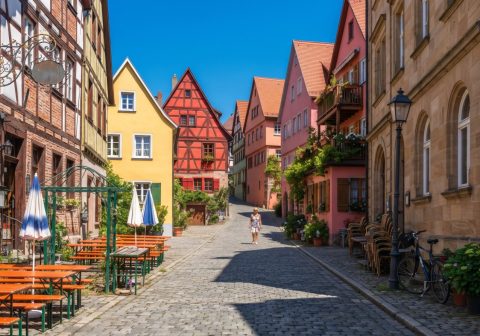 Colorful Old Town Street in Germany
113 plays
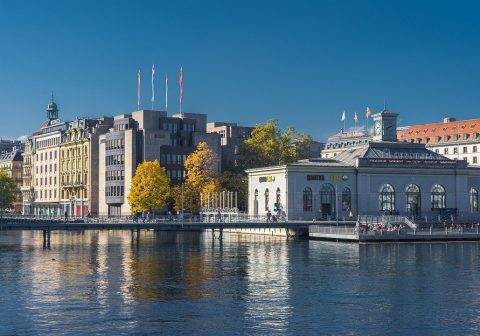 Geneva Quays in Autumn
142 plays
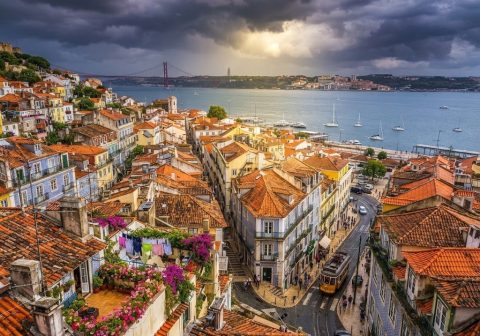 Lisbon Rooftops Under Stormy Skies
152 plays
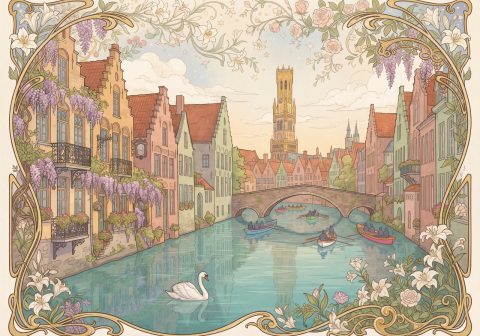 Bruges Canals in Pastel Art Nouveau
151 plays
🔥 Most played
 1
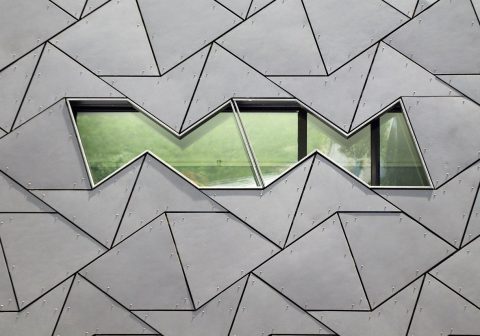
Ultra Modern and Design Building Facade
378 plays
 2
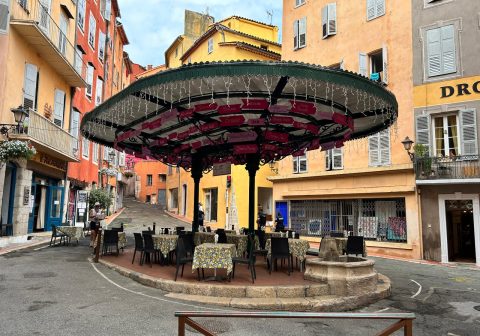
Terrace Kiosk with Red Signs
269 plays
 3
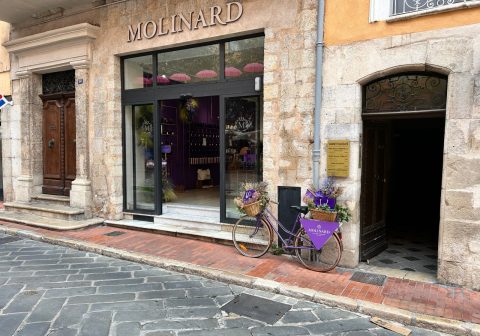
Purple Flowered Bike in Front of the Shop
233 plays
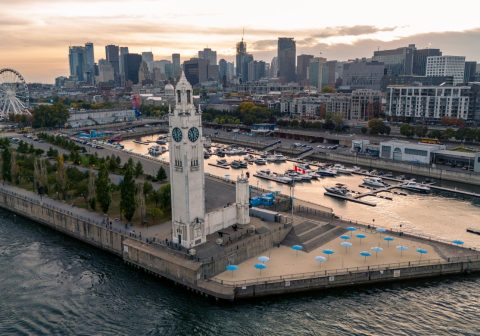 4
The Clock of Montreal
205 plays
 5
Rio de Janeiro, Brazil
204 plays
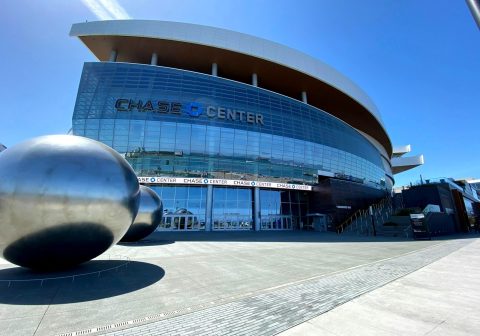 6
A Big Metal Ball in Front of a Building
202 plays
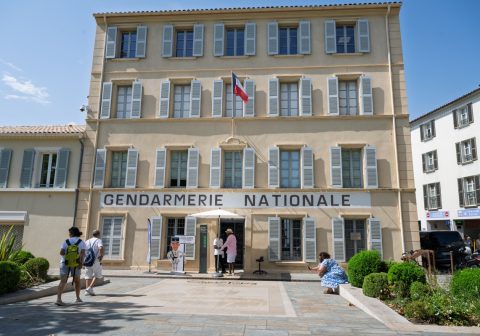 7
Saint-Tropez National Gendarmerie
201 plays
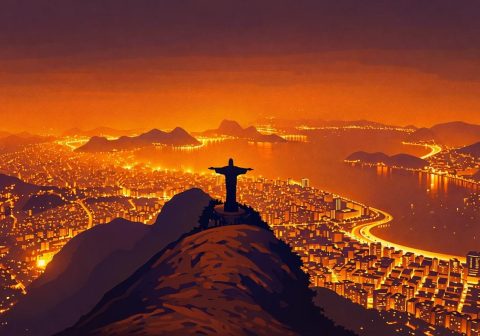 8
Rio de Janeiro, Christ the Redeemer
199 plays
 9
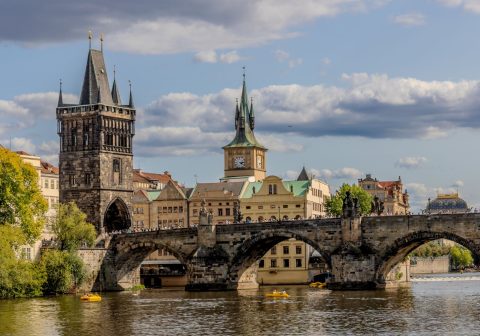
A Beautiful View of Prague and Its Famous Bridge
197 plays
All city puzzles
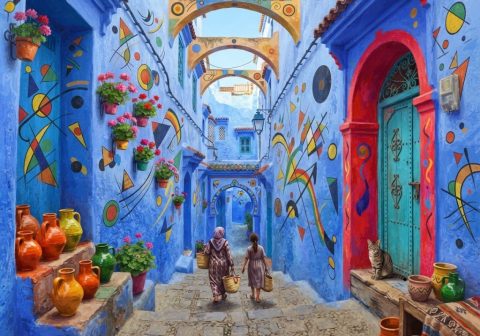 Blue Street in Chefchaouen with Colorful Murals
146 plays
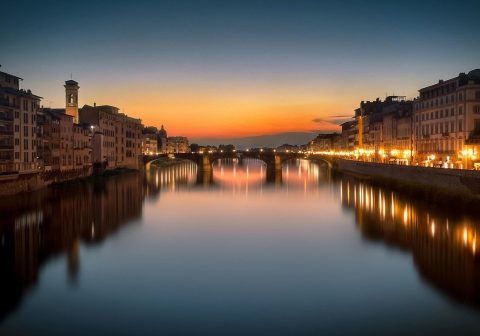 Florence at Dusk on the Arno
180 plays
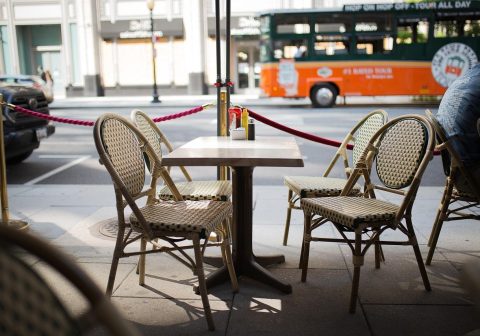 Café Terrace in the City
178 plays
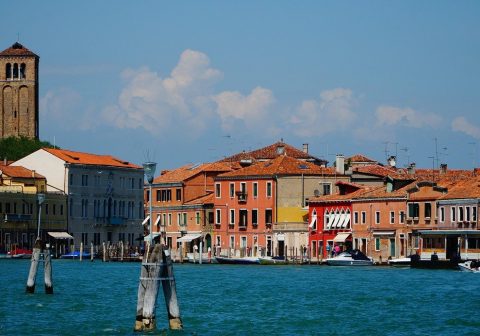 Colourful Facades by the Venice Waterfront
145 plays
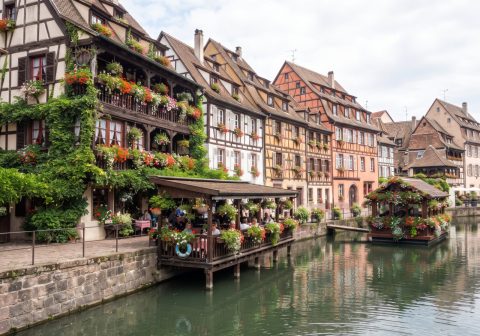 Flowered Half-Timbered Houses by the Water
104 plays
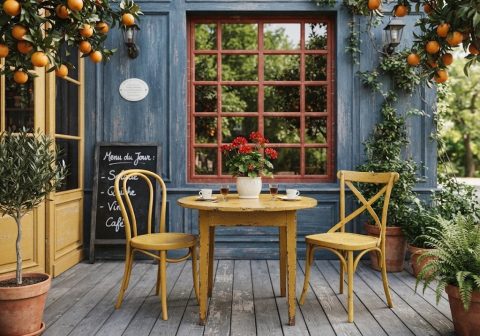 Orange Tree Café Terrace
160 plays
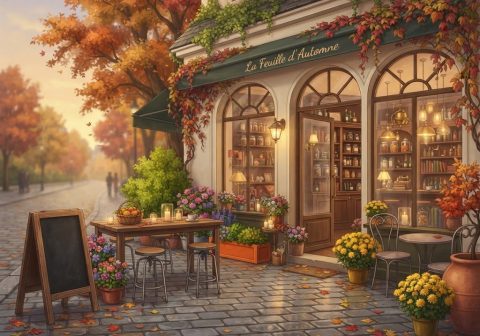 Autumn Café Terrace
150 plays
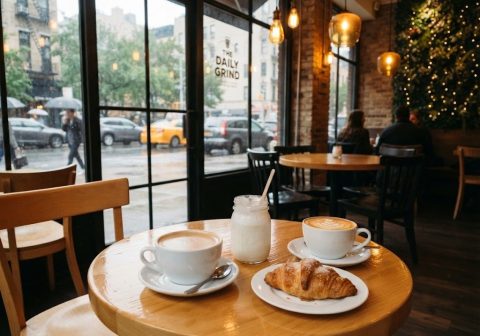 Coffee Break on a Rainy Day
153 plays
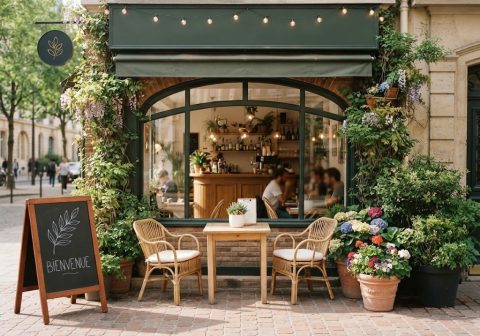 Sunny Café Terrace in Paris
147 plays
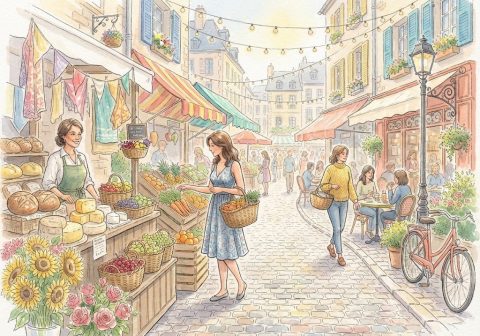 Charming Village Market Street
147 plays
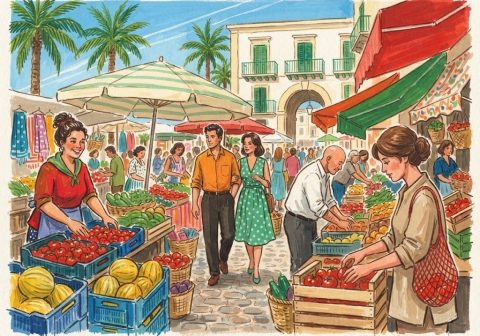 Sunny Fruit and Vegetable Market
142 plays
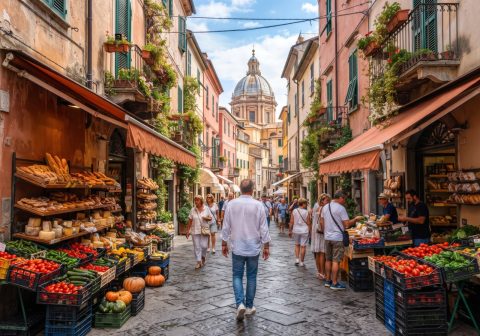 Italian Market Street Jigsaw
151 plays
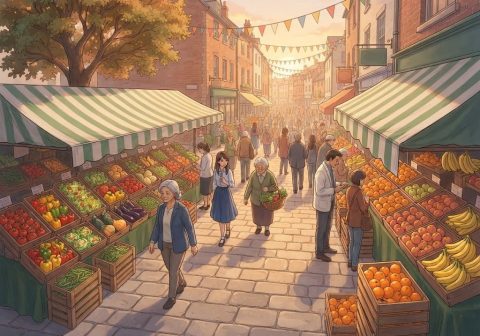 Busy Farmers Market Under Bunting
135 plays
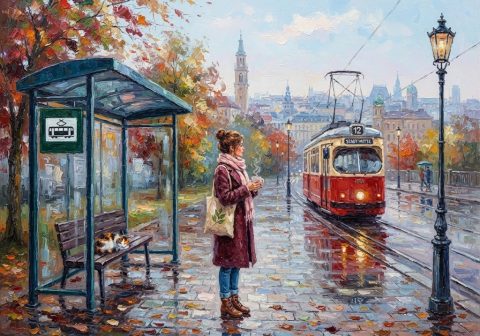 Autumn Tram Stop Wait
159 plays
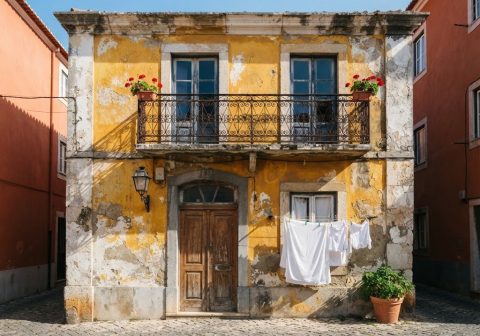 Yellow House with Laundry Line
152 plays
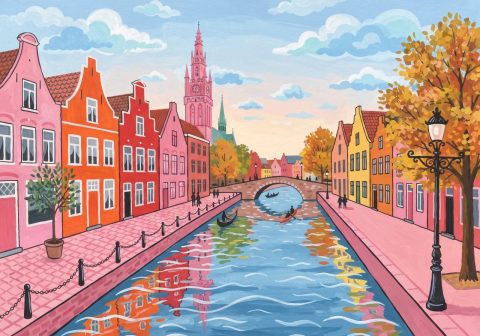 Bruges Canal in Autumn
141 plays
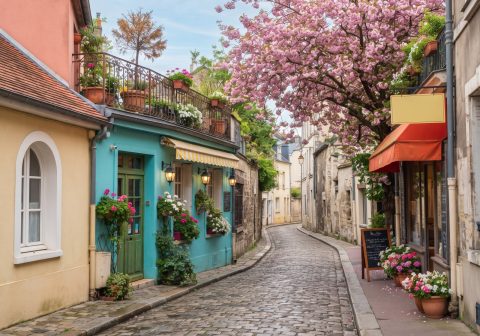 Flower-Lined Cobblestone Street in Spring
134 plays
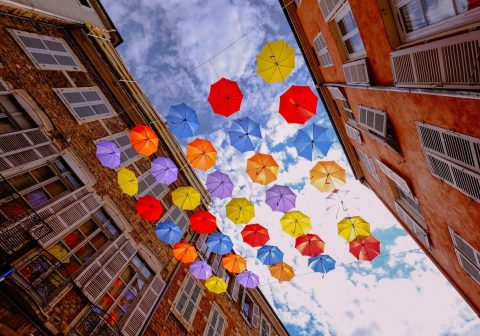 Colourful Umbrellas in the Sky
152 plays
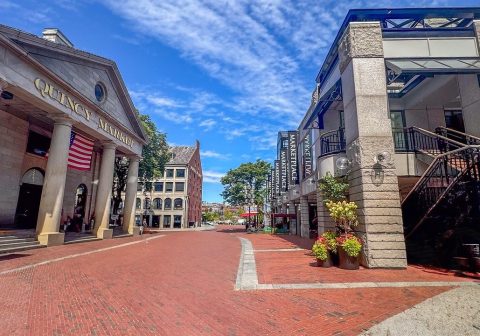 Quincy Market, Boston's Lively Square
156 plays
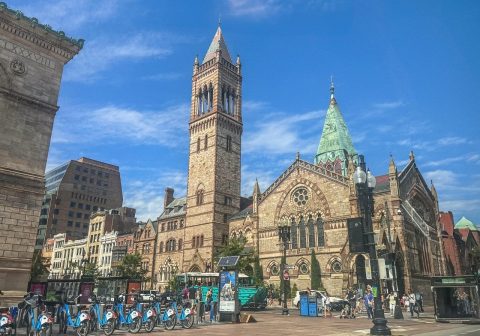 Bell Tower and Bikes in the Heart of Boston
156 plays
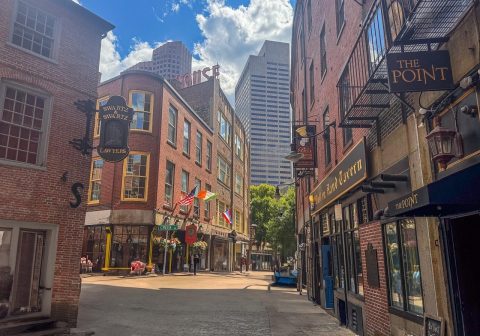 Historic Alley of Boston
164 plays
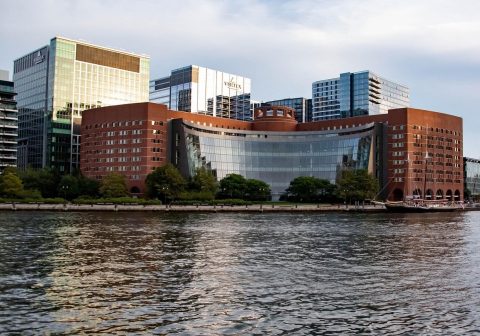 Boston Waterfront and Its Reflections
161 plays
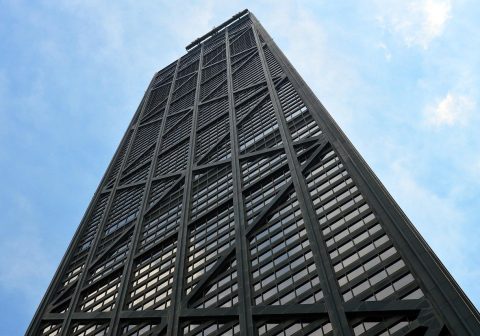 Chicago Skyscraper from Below
155 plays
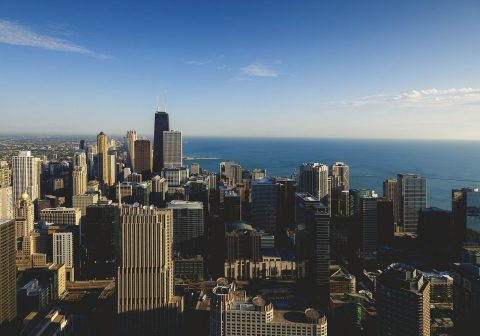 Chicago, Its Skyscrapers by the Lake
140 plays
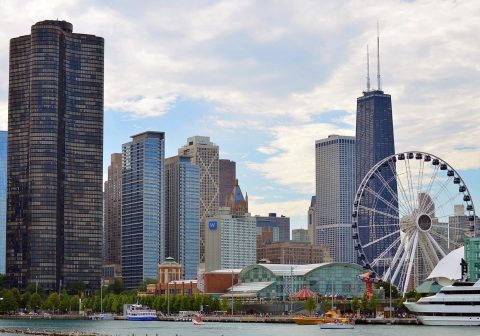 Chicago, Skyscrapers and Ferris Wheel
159 plays
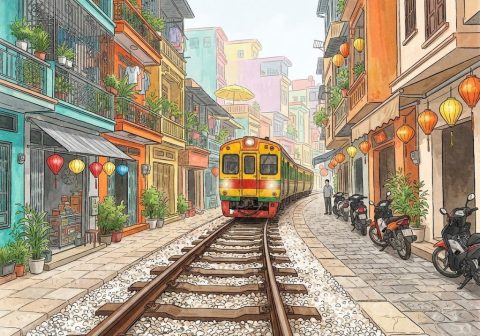 Train Through Hanoi Old Quarter Street
156 plays
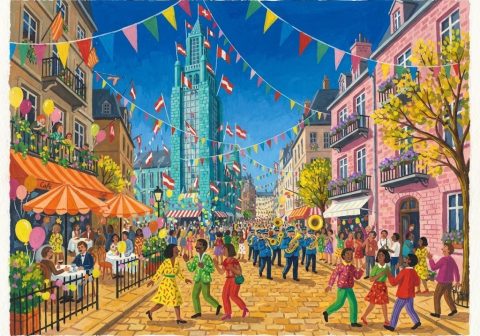 Street Festival with Bunting Flags
156 plays
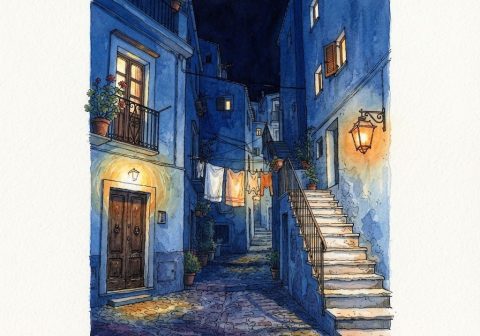 Blue Alley at Night Italy
176 plays
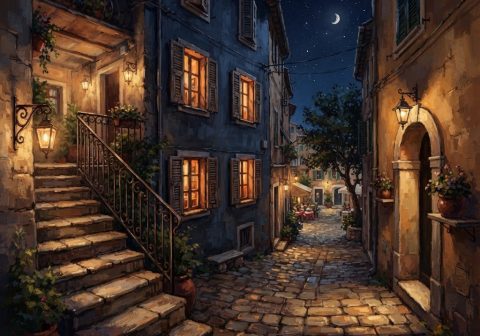 Old Town Alley at Night
161 plays
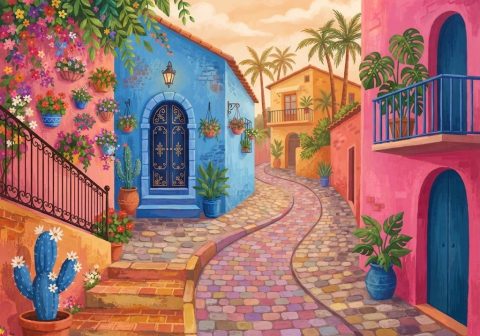 Colorful Mediterranean Street with Cacti
163 plays
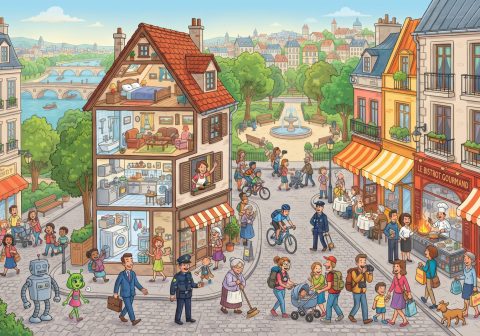 Busy Town Street Cutaway House
173 plays
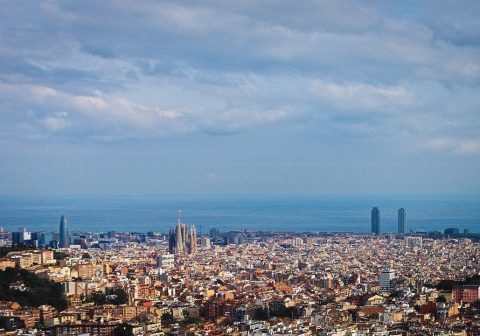 Barcelona Panoramic View and Sagrada Familia
153 plays
 Vintage Ocean Liner at Harbor Dock
160 plays
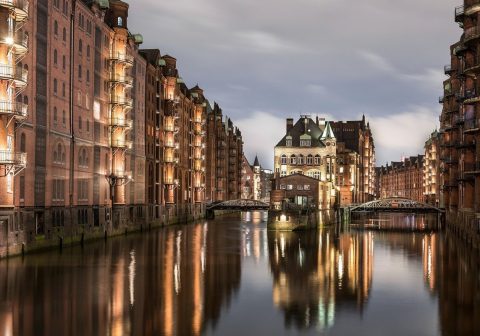 Speicherstadt, Hamburg, in the Evening Lights
152 plays
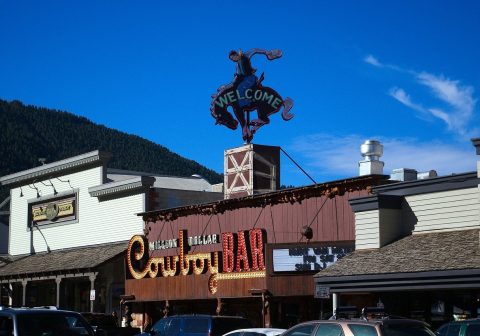 Cowboy Saloon at the Foot of the Mountains
168 plays
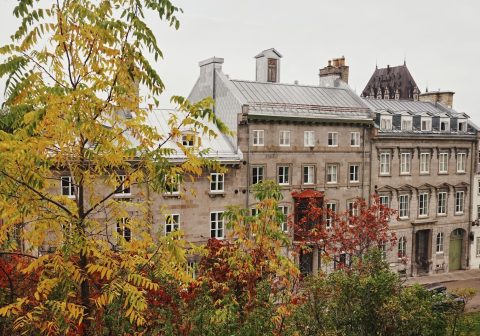 Autumn in the Heart of Old Quebec
164 plays
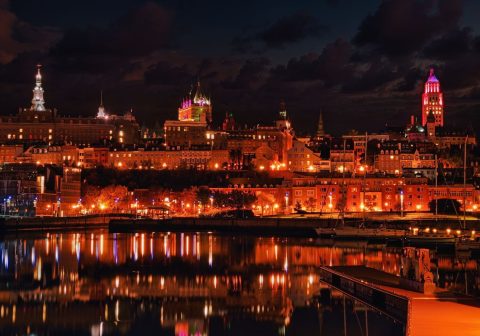 Sparkling Quebec on the Saint Lawrence
155 plays
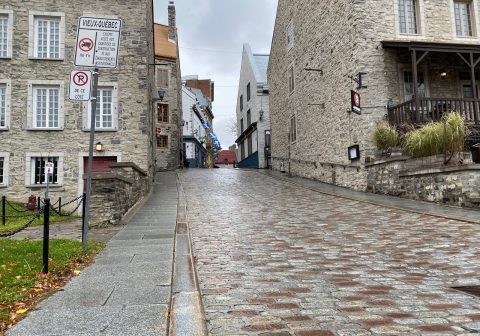 Cobbled Lane in Old Quebec City in the Rain
168 plays
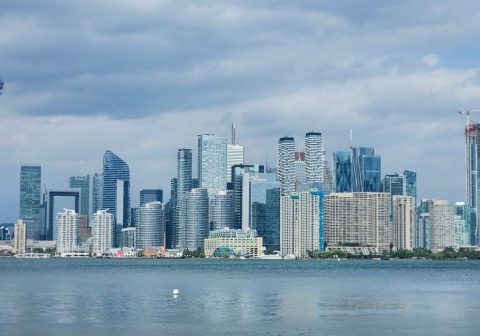 Toronto and Its Skyscrapers by the Lake
163 plays
City jigsaw puzzles from around the world
The rooftops of Lisbon, the canals of Bruges, Florence on the Arno, a view over Prague and the beaches of Rio de Janeiro: this collection is travel without the suitcase. There’s plenty of everyday city life too, from sunny sidewalk cafés and busy markets to colorful storefronts and umbrellas strung above a street.
Cities are packed with detail, so they stay fun even at a high piece count. Signs, shop windows and rows of windows give you something to hold onto, while repeating rooftops and pavement will test your patience. Start with the brightest area and work outward. Night skylines are gorgeous, but the dark areas take a little extra care.
Finding your way through the streets
City pictures are easier to approach when you think of them as a map. Look for the main streets, the square at the center and the rows of buildings that line them. Repeated windows and doors can look identical, so pay attention to small differences such as a flower box, an awning or a crack in the wall. Lamp posts, wires and bicycles also create thin lines that help connect pieces across a larger area.
A calm way to explore a place
City puzzles suit travelers, armchair explorers and anyone who misses a favorite place. They can also be a pleasant way to spend time with a friend, as each of you can take a different district. For a comfortable session, around 200 pieces offers enough detail without becoming tiring. For dense skylines or crowded markets, larger numbers give a richer and more rewarding experience.
Frequently asked questions
How do I tell apart similar windows in a city photo?
Look for small differences such as curtains, plants, shutters or the color of the frame. Sorting by color helps, since neighboring buildings often have slightly different tones. Working on one building at a time, rather than the whole facade, also makes repeated shapes easier to manage.
Where should I start a city puzzle?
Many people begin with the brightest area or the most distinctive building, since it gives a clear starting point. Work outward from there, adding the streets and the nearby buildings. Leave repetitive areas like rooftops or pavements for later, when you have more pieces placed.
Are evening city views harder to puzzle?
They can be, because dark areas contain fewer colors and less contrast between pieces. The lit windows and street lamps, however, are easy to spot and make good anchor points. Sort the dark pieces by their subtle differences in tone, and place the bright lights first to guide the rest.