Landscape jigsaw puzzles
908 puzzles
🆕 Latest landscape puzzles
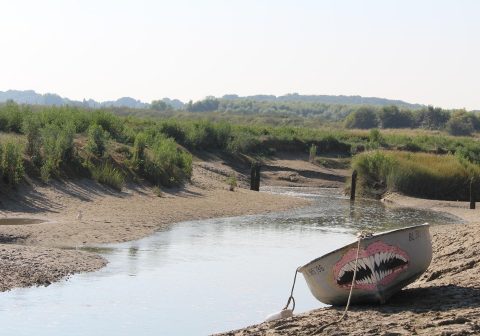 Beached Rowboat by the Creek
1 play
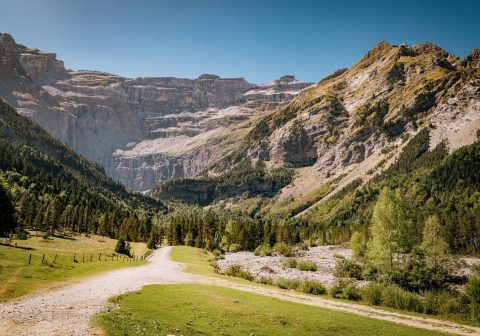 Gavarnie Cirque Mountain Valley Jigsaw
1 play
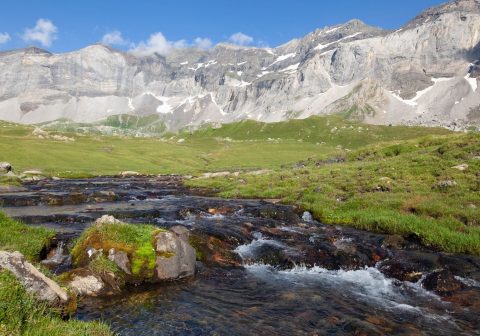 Mountain Stream in Green Meadows
1 play
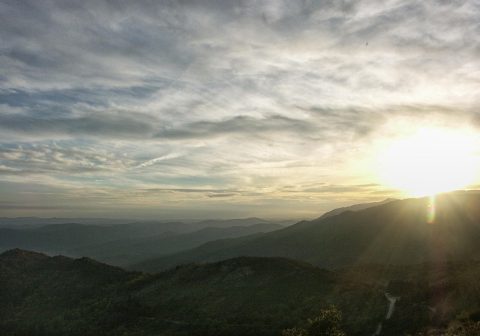 Sunset Over Mountain Ridges
1 play
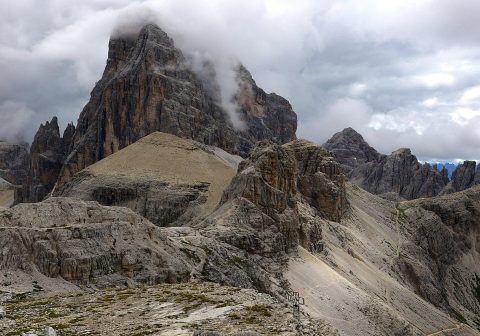 Dolomites Rocky Peaks Under Clouds
19 plays
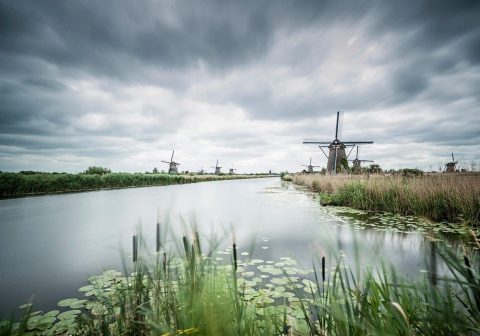 Kinderdijk Windmills Netherlands
16 plays
 Blue Ice Crystals Close Up
24 plays
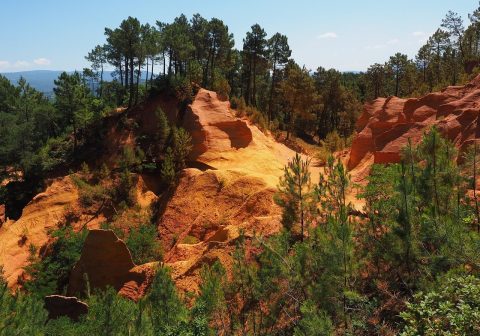 Red Ochre Cliffs of Roussillon
14 plays
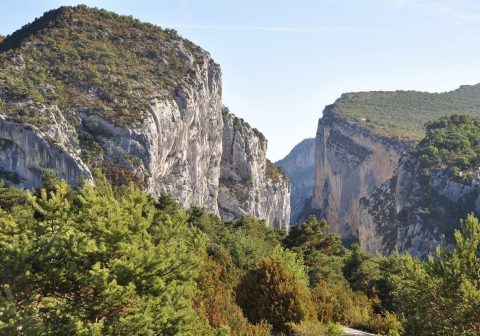 Verdon Gorge Cliffs and Pine Forest
66 plays
🔥 Most played
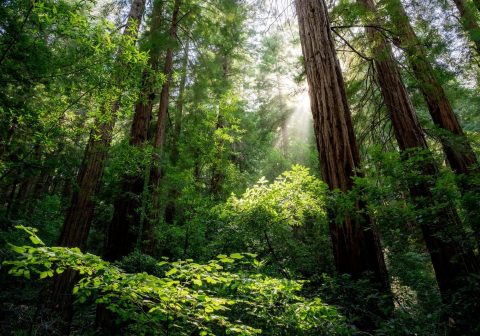 1
The Sun Shines Through the Trees
570 plays
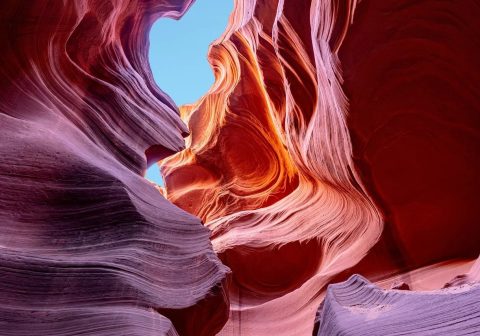 2
Antelope Canyon
532 plays
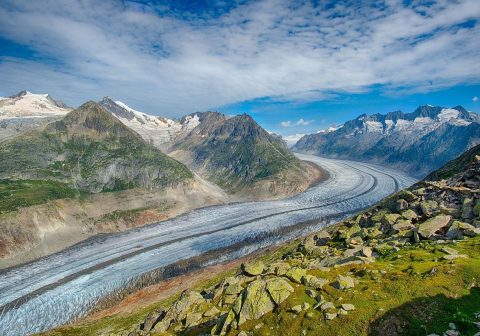 3
Mountain Landscape
515 plays
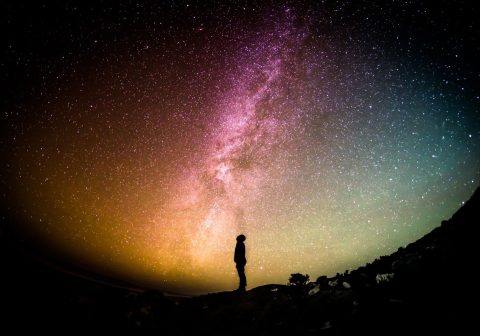 4
The Milky Way Stars Galaxy
475 plays
 5
Roquebrune Rock
438 plays
 6
Stroll Through a Botanical Garden on the Côte d'Azur
431 plays
 7
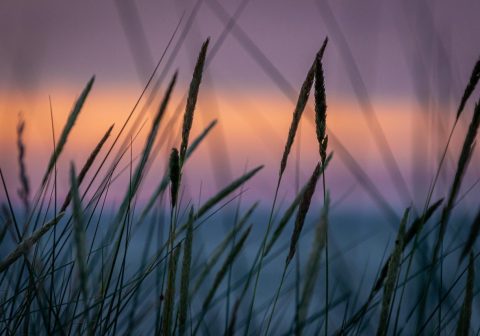
End-of-Day Ambiance
421 plays
 8
The Kuang Si Falls
401 plays
 9
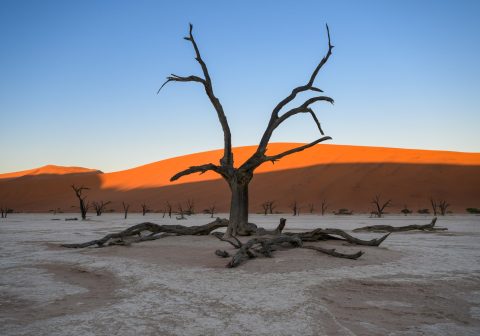
Namibia, Dead Vlei Dead Trees
326 plays
All landscape puzzles
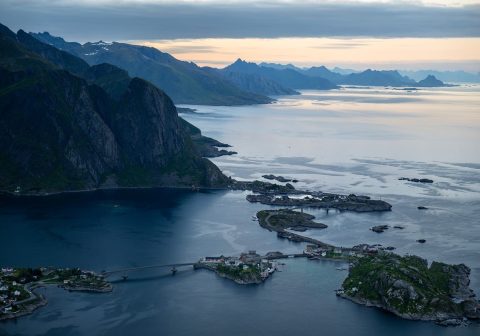 Lofoten Islands Fjords Aerial View
68 plays
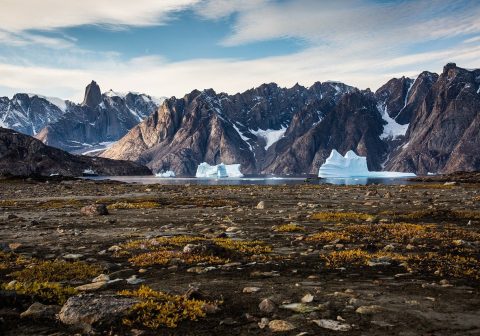 Icebergs Among Arctic Mountains
116 plays
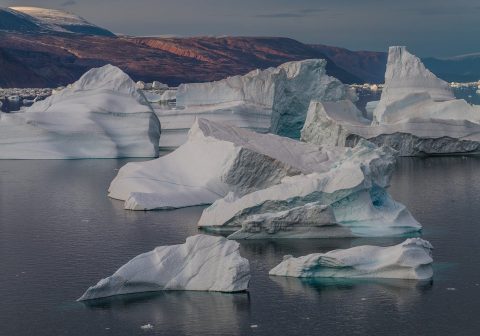 Icebergs in Greenland Fjord
111 plays
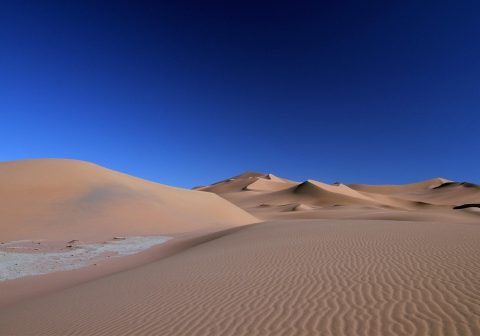 Desert Sand Dunes Under Blue Sky
117 plays
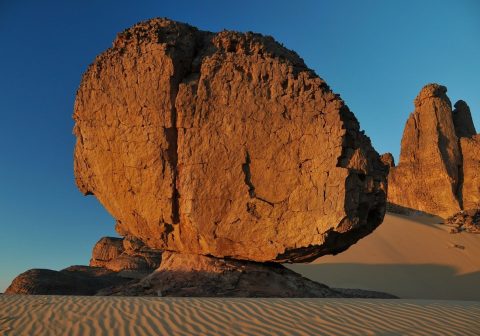 Giant Desert Rock at Sunset
111 plays
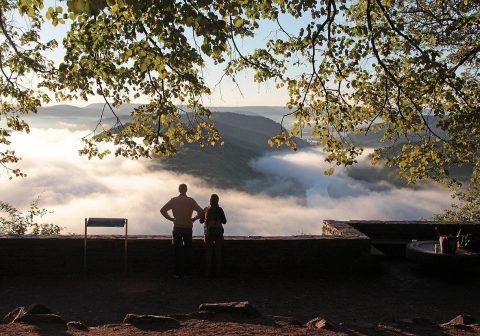 Couple Overlooking Misty Valley at Sunrise
147 plays
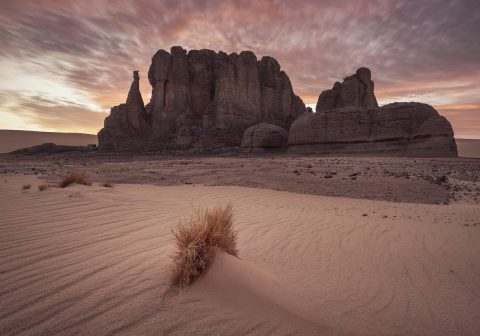 Sandstone Rocks in the Desert
115 plays
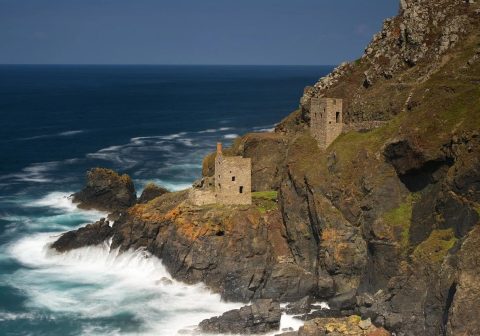 Cornwall, Mines and Wild Waves
112 plays
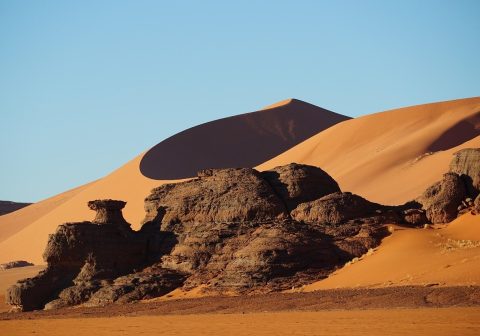 Golden Dunes and Desert Rocks
109 plays
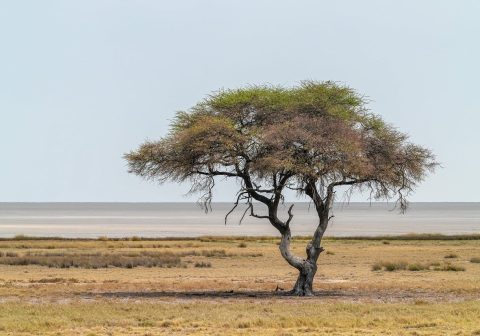 Lone Acacia on the African Savanna
119 plays
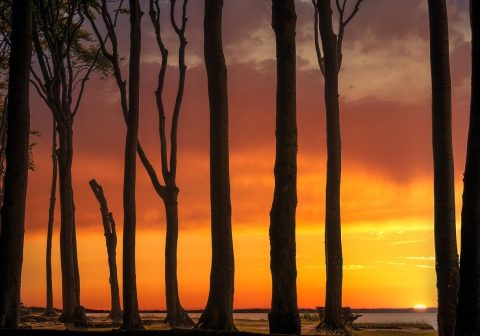 Sunset Between the Tall Trunks
125 plays
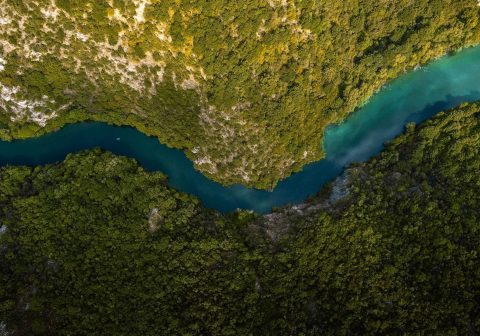 Turquoise River Winding Through the Forest
110 plays
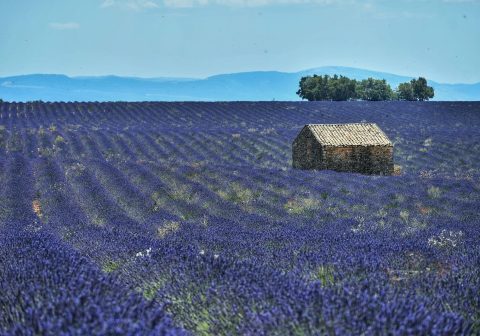 Stone Hut Lost in Lavender
108 plays
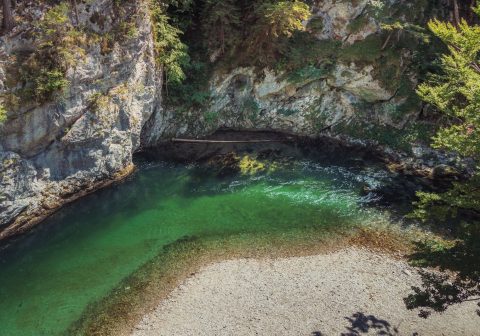 Emerald Waters at the Heart of the Cliffs
101 plays
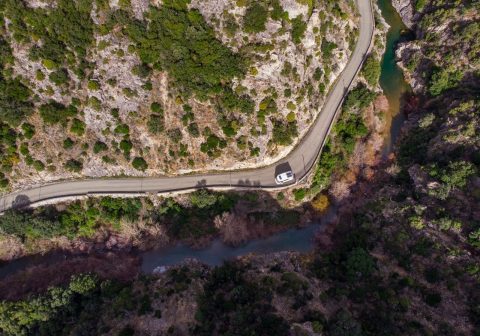 Winding Road Along the River
105 plays
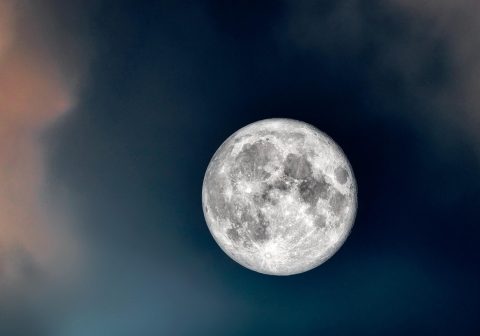 Full Moon in a Night Sky
108 plays
 Golden Wheat Ears in the Sun
101 plays
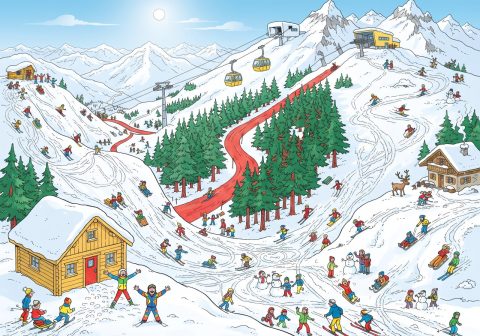 Winter Ski Resort Day on the Slopes
111 plays
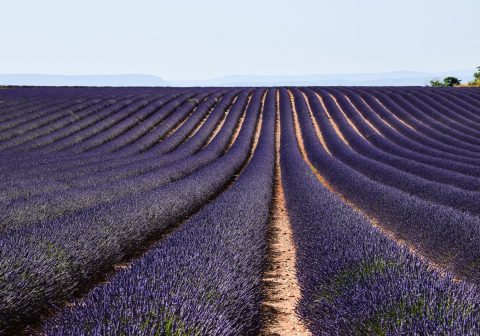 Lavender Fields in Beautiful Provence
106 plays
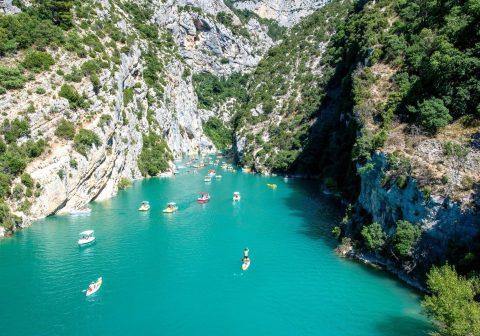 Turquoise Waters Beneath the Cliffs of Verdon
102 plays
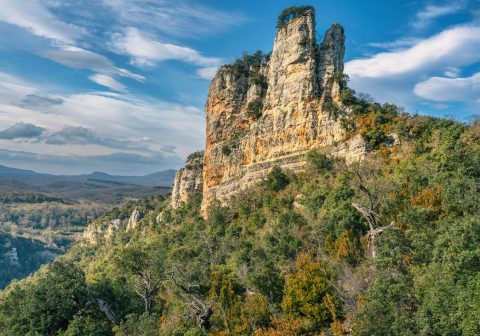 Golden Cliff Above the Forests
114 plays
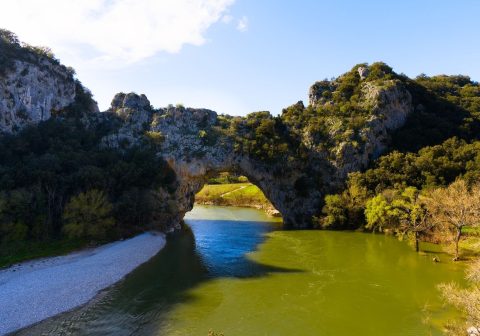 The Pont d'Arc and Its Emerald Waters
110 plays
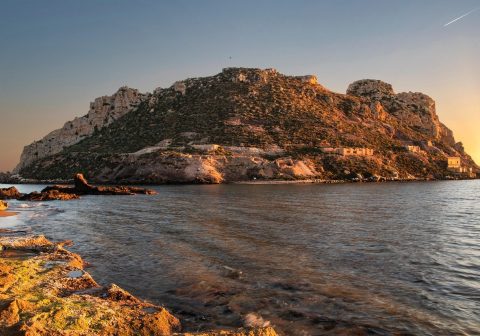 Rocky Island at Sunset
105 plays
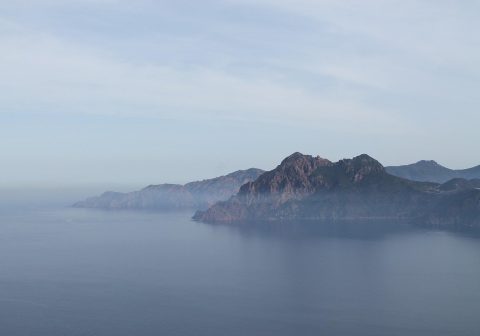 Misty Rocky Coast in Corsica
109 plays
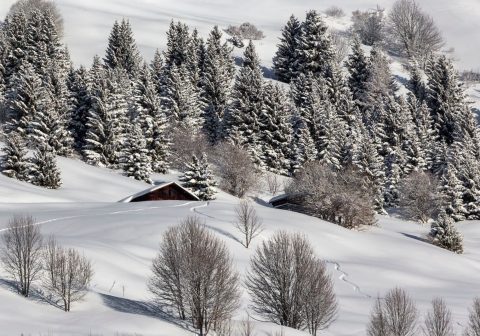 Fir Forest Under Snow
141 plays
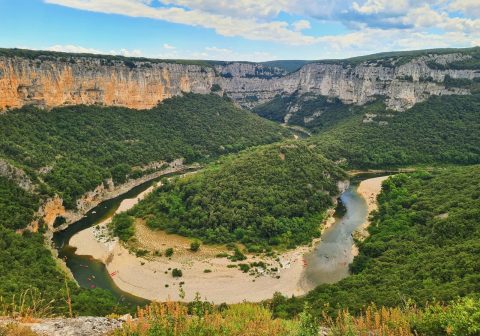 Ardèche Meander Between Cliffs and Greenery
141 plays
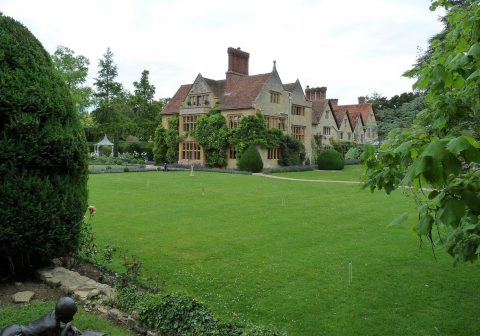 English Manor with Green Garden
160 plays
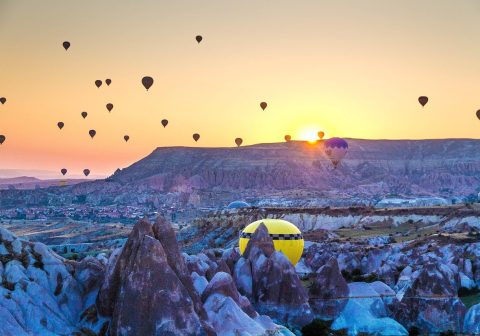 Hot Air Balloons at Dawn in Cappadocia
155 plays
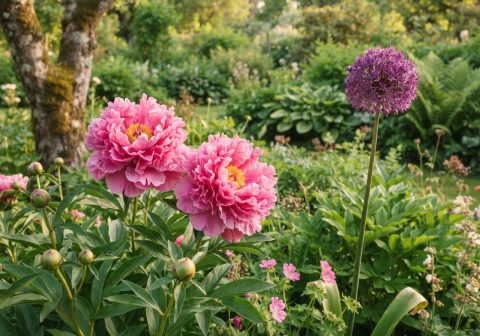 Pink Peonies and Purple Allium in the Garden
144 plays
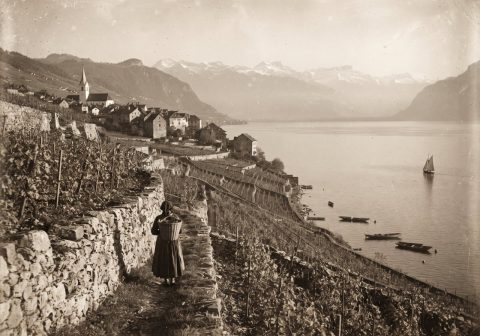 Lavaux Vineyard Terraces Old Photo
152 plays
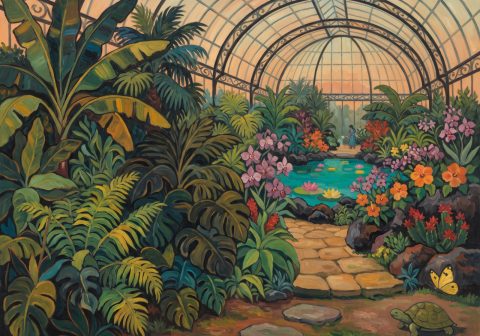 Tropical Greenhouse with Orchids and Turtle
159 plays
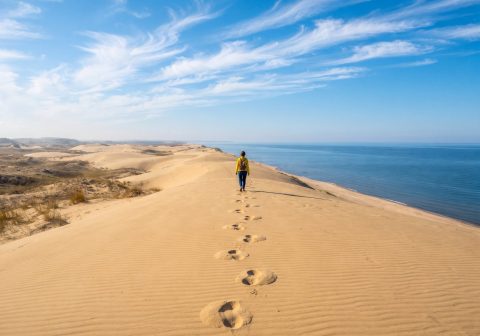 Woman in Yellow on the Dune
153 plays
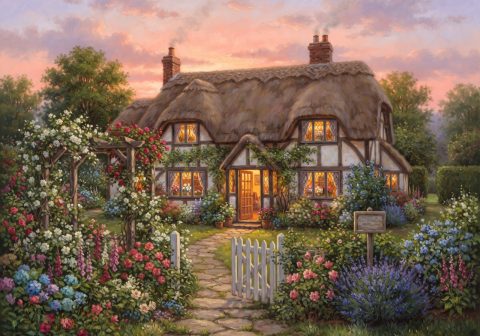 Thatched Cottage Among Roses at Dusk
135 plays
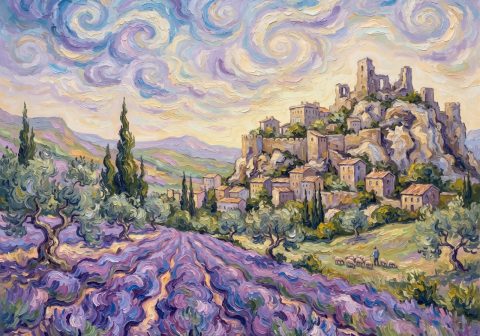 Lavender Fields and Hilltop Village Painting
138 plays
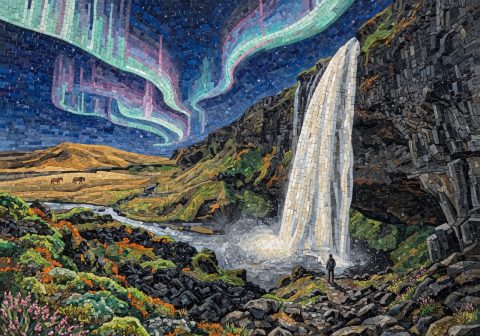 Iceland Waterfall Northern Lights Mosaic
157 plays
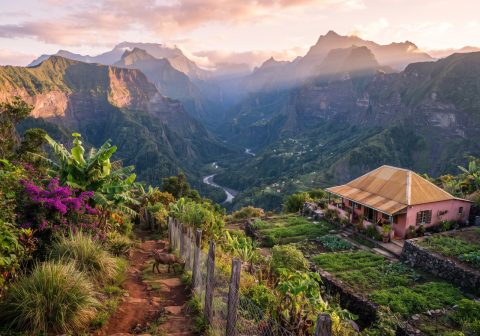 Mafate Cirque at Sunrise
149 plays
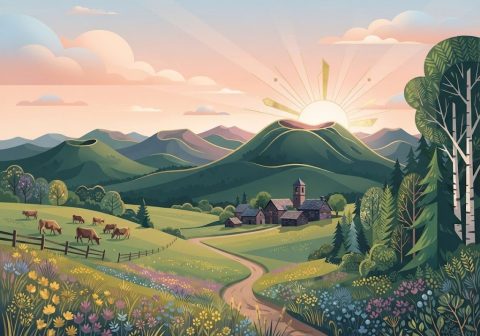 Sunrise Over the Volcanoes Countryside
150 plays
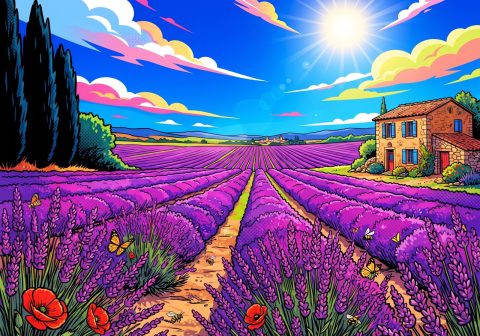 Lavender Field in Provence Pop Art
156 plays
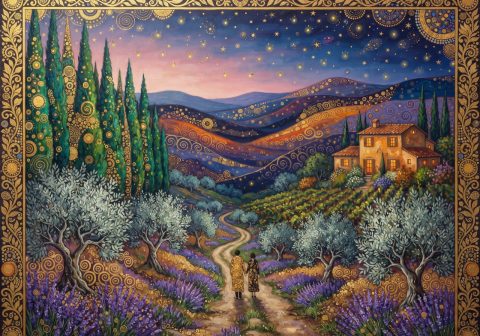 Golden Tuscan Hills at Dusk
139 plays
Landscape jigsaw puzzles that take you places
Lavender fields in Provence, Norwegian fjords, turquoise lakes in the Rockies, smoking volcanoes and roaring waterfalls: our landscape jigsaws are the closest thing to a trip without leaving the couch. You’ll find real photographs alongside paintings and bold travel posters, and a few night skies with the Milky Way overhead.
Landscapes reward a slow, steady approach. Do the edge pieces first, then build out from whatever stands out, like a house, a tree line or a bridge. Save the sky and the water for last: once the colors run out, you’ll be matching pieces by shape. At 100 pieces it’s a relaxing break; at 500 or 1,000, it’s a whole afternoon.
Choosing a landscape that suits your mood
Landscapes come in many moods, and the picture you choose can shape the whole experience. Mountain ranges and open coastlines bring a sense of space, while forests and meadows feel quieter and more enveloping. Warm sunsets tend to be easy to enjoy at a slow pace, whereas stormy skies or snowy scenes ask for more focus. Before you start, look at the whole picture and ask yourself which atmosphere you want to live with for an hour or two. Many players also like to set a little goal, such as finishing one band of the picture per session, which keeps the puzzle rewarding without rushing it.
Reading the terrain to place the pieces
Landscapes follow natural patterns that help you sort pieces. Horizon lines, the edges of hills and the reflection of a lake running across the middle give you clear guides. Grass, rock and water have textures that repeat, so grouping pieces by texture is often more useful than grouping them by color alone. Pay attention to the direction of light, too: shadows fall in one direction, and matching them can reveal where a piece belongs. Once you have found a few of these anchor lines, the rest of the landscape tends to fall into place.
Frequently asked questions
Are landscape puzzles good for beginners?
Yes, landscapes are a good starting point. Clear horizon lines and large areas of sky or water make the picture easier to read. Choosing a smaller number of pieces at first helps you build confidence before moving to larger puzzles with more complex terrain and detail.
How do I sort the pieces of a landscape puzzle?
Start by grouping pieces with straight edges to build the frame. Then sort by texture and dominant color, such as green grass, grey rock or blue water. Look for horizon lines and shadows, since these often indicate where a piece belongs within the larger scene.
Can I enjoy a landscape puzzle without finishing it quickly?
Absolutely. Landscapes are very suited to slow, relaxed play. You can work on one area at a time, come back to it later and enjoy the scenery as it gradually appears. There is no need to rush, and many people find the gradual reveal of the picture the most pleasant part.